
Rehab Technology – Cutting-Edge Solutions for Enhanced Mobility and Recovery
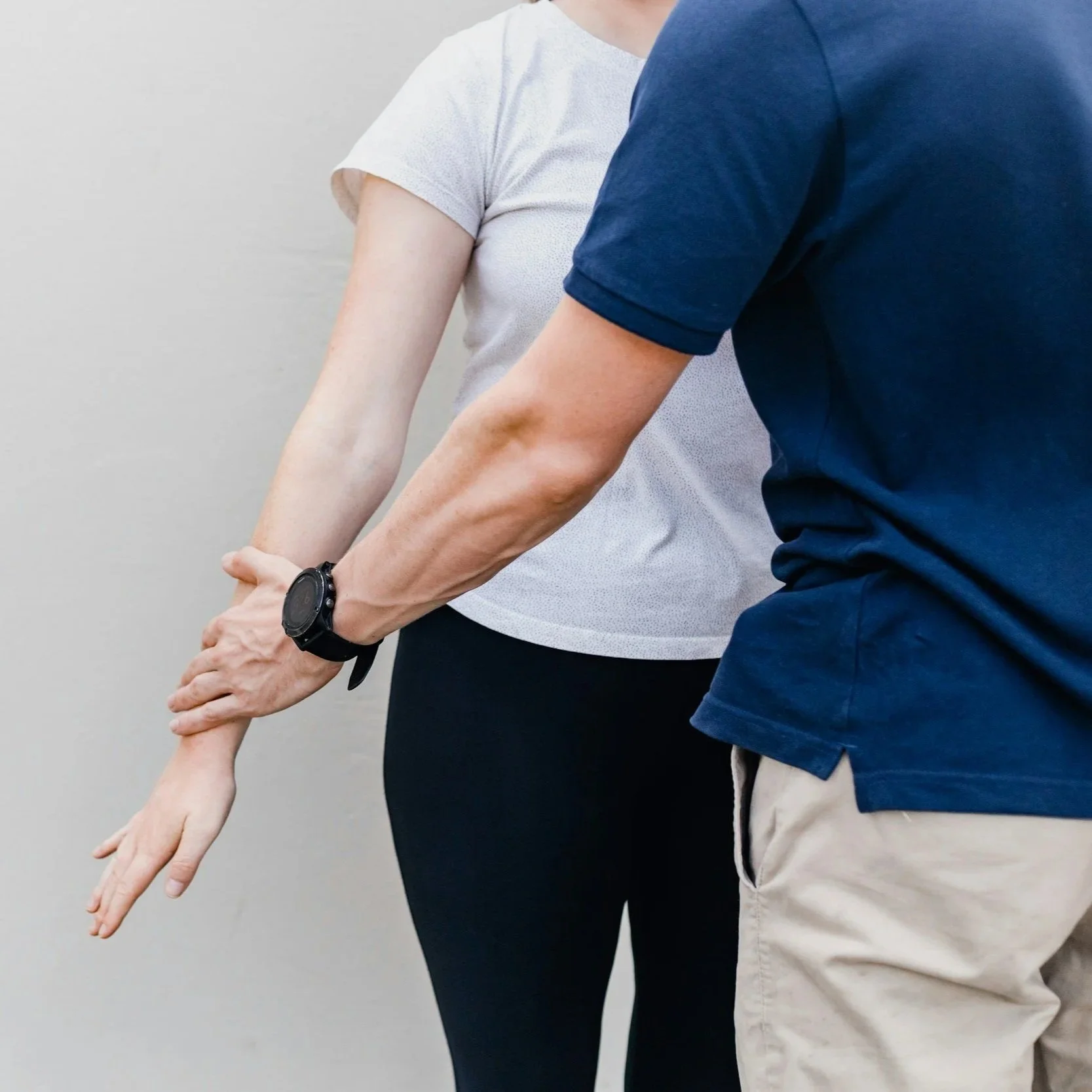
With a growing focus on improving mobility, strength, and overall well-being, rehab technology offers innovative solutions that streamline recovery and enhance the rehabilitation process.
Advancements in rehabilitation technology have transformed recovery for many individuals. With a growing focus on improving mobility, strength, and overall well-being, rehab technology offers innovative solutions that streamline recovery and enhance the rehabilitation process. From robotic-assisted devices to virtual reality tools, these technologies are reshaping how individuals experience recovery and rehabilitation.
The Rise of Rehab Technology
Gone are the days when rehabilitation was limited to traditional physical therapy and basic assistive devices. Today, rehab technology incorporates a variety of tools designed to aid in faster, more effective recovery. The rise of these technologies has allowed for more personalized care and expanded treatment options. By using cutting-edge solutions, patients can target specific areas of their rehabilitation with greater precision, leading to better outcomes and faster progress.
Rehabilitation centers are increasingly integrating advanced technologies into their practice to complement traditional therapy methods. Whether it's using robotic exoskeletons for mobility training, motion-capture systems to improve gait, or virtual reality for cognitive recovery, rehab technology offers a multifaceted approach to healing. These technologies work alongside skilled clinicians to create a comprehensive rehabilitation experience that accelerates recovery and boosts patient motivation.
Robotic-Assisted Therapy – Bringing Movement Back to Life
Robotic-assisted therapy has emerged as a game-changer in physical rehabilitation. Robotic devices enable patients to perform repetitive exercises with greater ease and accuracy. These devices assist with movement, providing guided support as patients regain strength and mobility. Whether it's for individuals recovering from a stroke, spinal cord injury, or surgery, robotic-assisted therapy has proven effective in enhancing the range of motion and improving motor function.
Exoskeletons, for example, are designed to assist individuals with limited mobility by providing external support for walking and standing. These devices are especially beneficial for individuals with paralysis or severe lower-limb weakness, enabling them to walk in ways once impossible. The feedback from these devices helps individuals adjust to the rhythm of walking, gradually retraining the brain and muscles to move more naturally. The potential for these technologies to help patients achieve greater independence is profound.
Virtual Reality – Engaging and Interactive Recovery
Another exciting development in rehab technology is the use of virtual reality (VR). VR in rehabilitation has proven to be an engaging and highly interactive way to support physical and cognitive recovery. Through VR simulations, patients can perform exercises that mimic real-life situations, allowing them to practice daily tasks in a safe, controlled environment. Whether it's navigating a virtual cityscape or completing a complex task, VR helps patients improve coordination, memory, and motor function.
VR therapy has shown exceptional results, particularly for individuals recovering from neurological injuries, such as strokes or traumatic brain injuries. By immersing patients in interactive environments, VR therapy provides a novel way to stimulate the brain, offering an enjoyable experience that also yields therapeutic benefits. For patients who struggle with traditional physical therapy routines, VR can provide a fun and motivating way to stay committed to their rehabilitation goals.
Wearable Tech – Real-Time Feedback for Faster Recovery
Wearable technology is another breakthrough in the world of rehabilitation. Devices such as smart bands and motion-sensing wearables can track an individual's progress in real-time. These tools collect data on muscle movement, joint range, and activity levels, providing clinicians with valuable insights into the effectiveness of treatment. This real-time feedback allows adjustments to the rehabilitation plan, verifying patients stay on the right track and are appropriately challenged to maximize their recovery.
Wearable technology can be especially useful for chronic pain management or post-surgical recovery. By measuring various metrics such as gait, balance, and posture, wearable devices can provide detailed information that helps patients improve their physical health. In some cases, these devices also offer guidance on improving technique during exercises, helping reduce the risk of injury and confirming the most efficient recovery.
Robotic Therapy and Personalized Care
What sets rehab technology apart is its ability to deliver personalized care. Robotic devices, virtual reality, and wearable technology all offer tailored experiences for each individual. When combined with the expertise of rehabilitation professionals, these technologies help to create a rehab plan that aligns with a patient's specific needs and goals. This personalized approach fosters better outcomes by focusing on the unique challenges each patient faces, whether it's regaining strength, improving balance, or retraining the body to perform daily functions.
One of the standout benefits of rehab technology is that it allows patients to train at their own pace. With robotic and wearable devices, patients can perform exercises with immediate feedback, making adjustments to their movements as needed. This hands-on approach makes sure that patients feel in control of their recovery while still benefiting from the support of technology. The ability to track progress over time and make modifications guarantees that patients continue to advance without feeling overwhelmed or plateauing.
Motivation and Engagement in Recovery
Perhaps one of the most valuable aspects of rehab technology is its ability to boost patient motivation. Traditional rehab methods can sometimes feel repetitive, leading to frustration or a lack of enthusiasm for the process. With interactive tools like VR, patients experience a sense of accomplishment and fun as they work through exercises. Whether it's the excitement of completing a challenge or the visual progress in a VR simulation, technology adds an element of enjoyment to rehab that can be a game-changer in maintaining commitment to recovery.
Moreover, the ability to track progress and see tangible improvements over time helps reinforce motivation. For individuals who may not feel they are progressing quickly enough, rehab technology offers a clearer picture of how far they have come. Real-time data from wearables, motion-sensing equipment, and robotic devices provides constant encouragement as patients see their strength, coordination, and mobility improve.
Long-Term Wellness and Preventative Care
While rehab technology excels at aiding in recovery, it also plays an important role in long-term wellness and preventative care. After the initial rehabilitation process, many patients benefit from ongoing use of rehabilitation tools to maintain mobility and prevent further injury. Wearable tech can continue to track health metrics, while robotic devices can be used for maintenance exercises to keep muscles active and flexible. Long-term use of these technologies helps patients stay engaged in their health and wellness journey, reducing the likelihood of future setbacks.
Incorporating rehab technology into long-term care also supports independence. Patients can continue using virtual reality or wearable devices at home, allowing them to stay consistent with their rehabilitation goals without frequent clinic visits. The integration of technology into daily life empowers individuals to take control of their recovery, making them active participants in their health.
Conclusion
Rehab technology is revolutionizing the way individuals experience recovery. From robotic-assisted therapy to virtual reality and wearable tech, these cutting-edge solutions are helping patients regain mobility, strength, and confidence more effectively than ever before. Personalized, real-time feedback and the engaging nature of these technologies motivate individuals to push through challenges while providing them with the tools to stay on track with their rehabilitation. As the field of rehabilitation continues to evolve, technology will remain at the forefront of improving recovery outcomes and supporting long-term wellness.
Touchstone Rehabilitation is a physical therapy and occupational therapy expert offering prosthetic rehabilitation, physical therapy services, rehab technology, and rewalk exoskeleton system training in the Phoenix area. Our rehabilitation team helps patients manage their disorders and help them recover faster. Get in touch with our team to book a consultation.