
Flex Appeal: Why Assisted Stretching Is the Unsung Hero of Year-Round Mobility
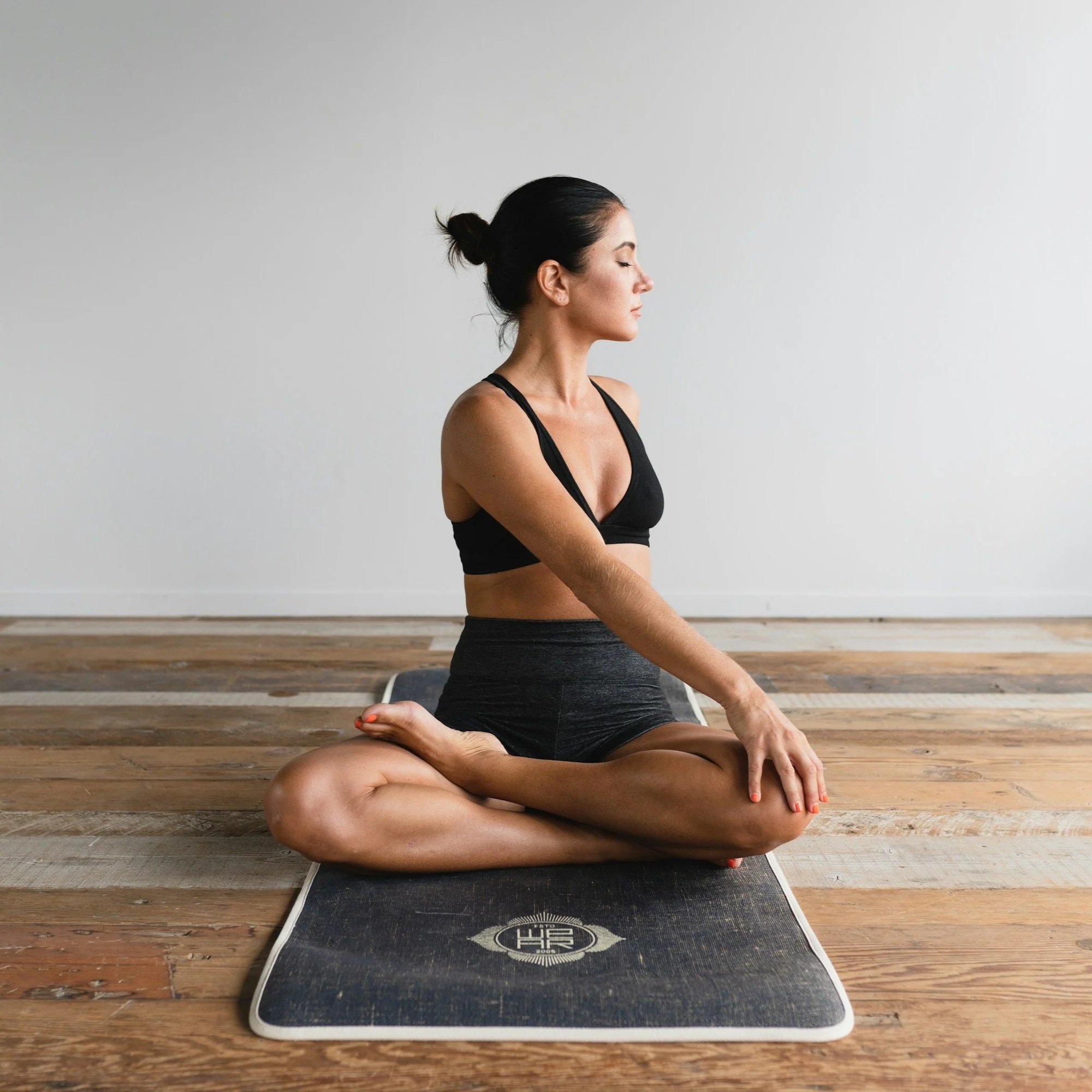
Professional-assisted stretching blends clinical knowledge with hands-on guidance to help muscles move more freely, joints respond with ease, and everyday motion feels less like a chore.
Assisted stretching rarely steals the spotlight in conversations about fitness and rehabilitation, yet it quietly supports bodies through every season of life. Professional-assisted stretching blends clinical knowledge with hands-on guidance to help muscles move more freely, joints respond with ease, and everyday motion feels less like a chore. From desk-bound professionals to weekend athletes and active retirees, assisted stretching offers a consistent, adaptable approach to staying mobile without relying on trends or extreme workouts.
Understanding Assisted Stretching From A Professional Perspective
Assisted stretching involves a trained professional guiding a client through targeted stretches that support flexibility, joint health, and neuromuscular coordination. Unlike solo stretching, a professional adjusts angles, pressure, and timing in real time based on how the body responds. That guidance allows muscles to relax more fully while protecting joints from strain.
Professionals evaluate posture, movement patterns, and muscle balance before applying techniques. Tight hip flexors, guarded hamstrings, or restricted shoulders often reveal deeper patterns tied to daily habits or old injuries. Assisted stretching addresses those patterns with intention rather than generic poses. Sessions feel personalized because they are built around how the body actually moves, not how a chart says it should move.
Why Mobility Changes With The Seasons
Bodies respond to seasonal shifts in predictable ways. Cold weather encourages stiffness as muscles stay guarded and joints lose warmth. Summer invites activity but also overuse as schedules fill with sports, travel, and outdoor projects. Fall and spring often bring inconsistent routines, which can confuse recovery patterns.
Assisted stretching works year-round because it adapts to those changes. During colder months, professionals focus on gentle lengthening and circulation to counter stiffness. Warmer seasons allow deeper ranges of motion and dynamic techniques that support active lifestyles. Instead of reacting to discomfort after it appears, assisted stretching keeps the body prepared for seasonal demands.
The Connection Between Assisted Stretching And Everyday Movement
Mobility affects far more than workouts. Standing from a chair, reaching overhead, walking on uneven ground, or turning quickly all rely on coordinated flexibility. Assisted stretching supports those everyday motions by improving how muscles communicate with the nervous system.
When muscles move freely, the body uses less energy to perform simple tasks. That efficiency reduces fatigue and lowers the risk of compensation patterns that often lead to aches. Clients frequently notice improved balance, smoother gait, and easier transitions during daily activities. Quietly assisted stretching improves quality of life without requiring dramatic lifestyle changes.
How Assisted Stretching Supports Active Lifestyles
Active individuals often assume stretching belongs at the end of a workout, rushed and incomplete. Assisted stretching reframes that mindset by treating flexibility as a performance tool rather than an afterthought. Professionals guide muscles through ranges that mimic real movement demands, supporting strength, speed, and coordination.
Runners benefit from improved hip and calf mobility that supports stride efficiency. Golfers and tennis players gain rotational freedom through the spine and shoulders. Weight training enthusiasts experience better depth and control during lifts. Assisted stretching supports these goals without pushing intensity for its own sake, making it a smart complement to training rather than a competing demand.
Addressing Muscle Imbalances Before They Speak Up
Muscle imbalances rarely announce themselves loudly at first. A subtle tug in the lower back or a stiff neck after sleep often hints at deeper asymmetries. Assisted stretching identifies and addresses those patterns early.
Professionals notice when one side of the body resists movement or recovers more slowly. Guided stretches focus attention on those areas while respecting protective responses. Over time, balanced flexibility allows muscles to share workload more evenly. Clients often feel more symmetrical in movement and posture, which supports long-term comfort.
Assisted Stretching And Recovery Support
Recovery does not belong only to elite athletes. Anyone who moves benefits from thoughtful recovery strategies. Assisted stretching supports circulation and tissue health without adding physical stress. Gentle pressure and controlled movement help muscles relax after activity and prepare for the next day.
Many clients describe assisted stretching sessions as both restorative and energizing. Muscles feel longer and lighter rather than sore. That balance encourages consistency, which matters far more than occasional intense efforts. Recovery becomes part of a sustainable routine instead of a reaction to discomfort.
Why Professional Guidance Matters
Stretching appears simple on the surface, yet technique and timing significantly influence results. Professional-assisted stretching avoids common pitfalls such as overstretching, joint compression, or ineffective positioning. Trained providers understand anatomy, biomechanics, and nervous system responses.
During sessions, professionals watch breathing patterns, muscle guarding, and subtle cues that signal limits. Adjustments happen instantly to keep the experience safe and effective. That level of attention cannot be replicated through videos or generic routines. Professional guidance turns stretching into a therapeutic service rather than a guessing game.
Assisted Stretching For Desk-Bound Lifestyles
Modern work habits challenge mobility in quiet ways. Prolonged sitting shortens hip flexors, rounds shoulders, and limits spinal movement. Assisted stretching counters those effects by opening areas that daily routines neglect.
Professionals often focus on the chest, hips, and neck for desk-bound clients. Guided stretches help reset posture and improve circulation after long hours of static positions. Clients frequently report feeling taller, more open, and less fatigued. Assisted stretching offers a practical solution for bodies shaped by screens and schedules.
The Role Of Assisted Stretching In Injury Prevention
Injury prevention thrives on preparation rather than reaction. Assisted stretching supports joint range of motion and muscle elasticity, which helps the body respond to sudden demands. Slips, quick turns, or unexpected loads challenge tissues that lack flexibility.
By maintaining healthy ranges of motion, assisted stretching reduces strain during those moments. Muscles lengthen more easily instead of resisting movement. Joints move through intended paths rather than compensating. While no service promises immunity from injury, assisted stretching supports resilience, helping minor incidents from escalating.
How Assisted Stretching Fits Into Rehabilitation Plans
Assisted stretching often complements rehabilitation programs guided by physical or occupational therapists. As clients progress through recovery, flexibility and mobility become essential components of functional movement. Assisted stretching supports those goals without replacing therapeutic care.
Professionals coordinate techniques that respect healing timelines and movement restrictions. Sessions focus on restoring confidence in motion while addressing surrounding areas affected by compensation. Clients appreciate the continuity of care that assisted stretching provides as they transition back into daily activities or athletic pursuits.
Mental Benefits That Tag Along With Mobility
Physical tension rarely exists alone. Stress, fatigue, and mental overload often settle into muscles. Assisted stretching creates space for relaxation through intentional breathing and controlled movement. Many clients describe sessions as grounding experiences that calm both body and mind.
That mental clarity supports better movement patterns outside the session. Relaxed muscles respond more willingly, and clients feel more aware of posture and alignment. Quietly assisted stretching supports wellness beyond the physical realm without drifting into trends or buzzwords.
Consistency Over Intensity
Assisted stretching thrives on consistency. Short, regular sessions support mobility far more effectively than occasional marathon efforts. Professionals design programs that fit real schedules rather than idealized routines.
Clients often notice steady improvements when sessions become part of their wellness rhythm. Movement feels easier, recovery shortens, and stiffness loses its grip. Assisted stretching respects the reality of busy lives while delivering measurable benefits.
What A Typical Assisted Stretching Session Looks Like
Sessions begin with a brief conversation about recent activity, discomfort, or goals. Professionals observe posture and movement to guide their approach. Stretching takes place on a table or mat, with the provider supporting limbs and guiding motion.
Breathing cues help muscles relax as stretches deepen gradually. Communication remains central throughout the session. Clients share sensations while professionals adjust technique. The experience feels collaborative rather than passive, building trust and awareness.
Assisted Stretching Across Different Life Stages
Mobility needs change with age and lifestyle. Assisted stretching adapts to those shifts with ease. Younger clients often seek performance support and recovery. Middle-aged clients focus on maintaining flexibility amid busy schedules. Older adults value balance, joint comfort, and confidence in movement.
Professional-assisted stretching meets each group where they are. Techniques adjust in intensity and focus without losing effectiveness. Mobility becomes a lifelong companion rather than a fleeting goal tied to youth.
Why Assisted Stretching Deserves More Credit
Despite its benefits, assisted stretching often sits quietly beside flashier fitness options. Its value lies in subtle, lasting improvements rather than dramatic transformations. Clients notice progress in how they move through life rather than how they look in a mirror.
That quiet reliability makes assisted stretching a cornerstone of sustainable wellness. Muscles respond, joints cooperate, and movement feels natural again. Assisted stretching earns its place as an unsung hero by showing up consistently and delivering results without demanding attention.
Integrating Assisted Stretching Into A Wellness Plan
Wellness plans succeed when they balance effort and recovery. Assisted stretching fits naturally alongside strength training, cardio, and therapeutic services. Professionals often recommend sessions based on activity level, stress, and mobility goals.
Clients appreciate the flexibility of scheduling and the immediate feedback they receive during sessions. Assisted stretching becomes a supportive anchor, keeping other activities enjoyable rather than exhausting.
Long-Term Value Of Professional Assisted Stretching
Over time, assisted stretching influences how clients relate to their bodies. Awareness increases, movement improves, and discomfort loses its authority. Professional guidance fosters confidence in motion that extends beyond the session room.
That long-term value separates assisted stretching from fleeting wellness trends. It supports bodies through changing seasons, lifestyles, and goals. Assisted stretching proves that sometimes the most effective services work quietly in the background, keeping life in motion one stretch at a time.
Touchstone Rehabilitation offers specialized assisted stretching, aquatic therapy, amputee rehabilitation, Kinova Jaco assisted robot, and neurological rehabilitation for patients in the Phoenix area. We have over two decades of combined experience and use cutting-edge technology and techniques for speedy recovery. Call today to schedule a consultation.