
Neurological Rehabilitation – Comprehensive Therapy for Improved Motor Skills and Coordination
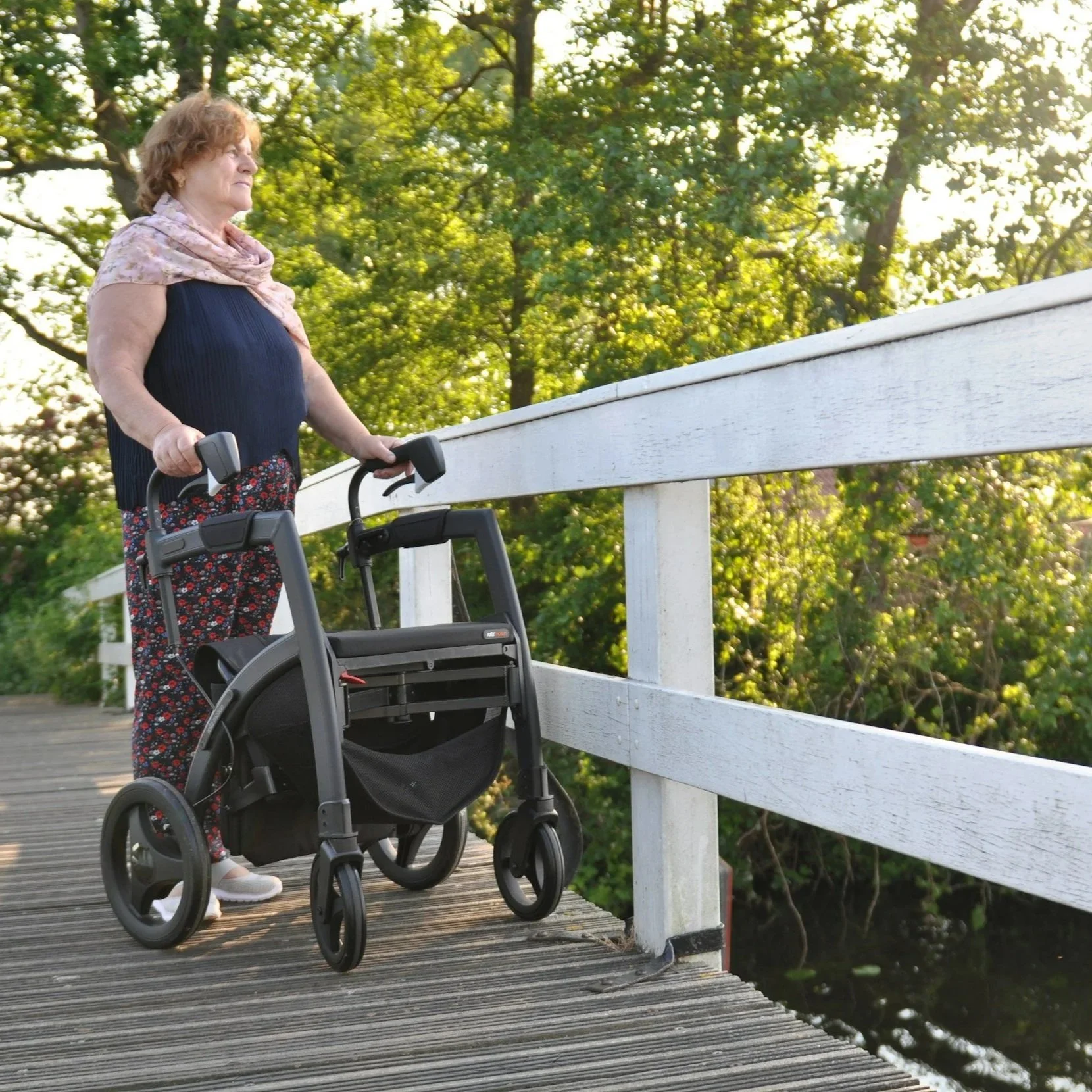
Comprehensive therapy plays a crucial role in helping individuals regain lost abilities, improve their quality of life, and achieve greater independence.
Neurological rehabilitation is a critical part of recovery for individuals who have experienced neurological conditions, such as stroke, brain injuries, Parkinson’s disease, multiple sclerosis, or spinal cord injuries. These conditions can severely affect motor skills, coordination, and the ability to perform daily tasks. Comprehensive therapy plays a crucial role in helping individuals regain lost abilities, improve their quality of life, and achieve greater independence.
Focusing on the Brain and Nervous System
The brain and nervous system control much of the body’s movement and function. When these areas are damaged, whether by injury, disease, or degeneration, the effects can be far-reaching. Neurological rehabilitation works to address the specific challenges posed by these conditions, helping patients improve motor skills and regain coordination.
Motor skills are the ability to maneuver muscles and control body movements, while coordination involves the ability to perform controlled, smooth movements. When either is impaired, basic tasks—like walking, eating, or even grasping an object—become difficult. Neurological rehabilitation involves carefully customized therapeutic techniques that focus on retraining the brain and nervous system to restore or compensate for lost function.
Rebuilding Strength and Balance
One of the top goals of neurological rehabilitation is to rebuild strength and balance in individuals who have lost their ability to perform certain physical tasks. When the brain or spinal cord is messed with by an injury or disease, motor control may be compromised, and a person’s ability to maintain balance or strength diminishes.
Therapists often employ a combination of exercises, balance training, and strength-building techniques to gradually reintroduce functional movement. Whether through physical therapy that targets specific muscle groups or occupational therapy that addresses fine motor skills, each treatment plan is designed to help patients improve their ability to move independently. Specialized equipment and exercises can provide additional support in regaining balance, flexibility, and coordination.
Stimulating Neural Pathways
One of the most exciting aspects of neurological rehabilitation is the ability of the brain to adapt. Neuroplasticity—the brain’s ability to form new neural connections and pathways—plays a critical role in the rehabilitation process. Even if certain areas of the brain or nervous system are damaged, other areas can sometimes compensate by forming new connections.
Therapists use this principle of neuroplasticity to design exercises and activities that tackle specific areas of the brain to promote the creation of new neural pathways. These targeted exercises may involve repetitive movements, cognitive training, or even virtual reality therapies that mimic real-life situations. Over time, these practices help the brain reorganize itself and strengthen motor control, leading to improved function and coordination.
Improving Coordination and Daily Function
Rehabilitation therapies often focus on enhancing both gross motor skills (large movements like walking or reaching) and fine motor skills (smaller movements like buttoning a shirt or writing). In addition to exercises that strengthen muscles and improve movement, therapists work with individuals to restore the ability to perform everyday activities.
Many people who undergo neurological rehabilitation struggle with basic activities they may have once taken for granted, such as dressing, cooking, or navigating their environment. Occupational therapy can address these issues by teaching adaptive strategies, improving hand-eye coordination, and helping individuals master the fine motor skills needed to perform daily tasks. With each session, clients can regain confidence and independence as they make progress in restoring their abilities.
A Holistic Approach to Therapy
Neurological rehabilitation is not just about restoring motor function—it also addresses the emotional and psychological challenges that often accompany neurological conditions. It can be incredibly frustrating to experience a loss of function, and patients may struggle with depression, anxiety, or a sense of isolation. Rehabilitation programs recognize these challenges and incorporate psychological support alongside physical therapy.
Therapists also work with patients to set realistic goals and work through progress, no matter how small. Successes, such as regaining the ability to stand or feed oneself, are celebrated and serve as motivation to continue the rehabilitation journey. By adopting a holistic approach that includes physical, emotional, and psychological support, therapists help patients rebuild their lives in every sense.
Personalized Rehabilitation Plans
Every individual’s neurological rehabilitation journey is unique. The degree of impairment, the type of condition, and the individual’s personal goals all factor into the development of a treatment plan. A professional rehabilitation team can assess a patient’s condition and create a personalized plan that is customized to their specific needs and abilities.
Therapists continuously evaluate progress and adjust treatment plans to guarantee that patients are receiving the most effective care. Whether someone is getting better from a stroke, tackling the symptoms of Parkinson’s disease, or adjusting to life after a spinal cord injury, a personalized approach guarantees that therapy remains focused on their unique challenges and goals.
The Role of Technology in Rehabilitation
In recent years, technological advancements have played an increasingly important role in neurological rehabilitation. From robotic-assisted therapy to virtual reality exercises, innovative tools are helping to accelerate recovery and make therapy more engaging.
Robotic devices, for example, can assist with repetitive motions and help patients build strength through controlled movement. Virtual reality therapy allows patients to practice real-world activities in a simulated environment, improving both coordination and cognitive function. These technologies provide patients with additional support and offer therapists valuable data to track progress and adjust treatment plans.
Rebuilding Lives Through Rehabilitation
Neurological rehabilitation is a critical part of recovery for individuals facing motor skill and coordination challenges due to neurological conditions. By focusing on strength-building, improving balance, and stimulating the brain’s neuroplasticity, therapy helps individuals regain independence and improve their overall quality of life. Each person’s rehabilitation journey is personal and unique, but with the right therapy and support, the road to recovery can lead to greater mobility, confidence, and functionality.
Through a combination of physical therapy, occupational therapy, and innovative technologies, neurological rehabilitation helps people reclaim the skills they need to live life to the fullest. By addressing both the physical and emotional aspects of recovery, rehabilitation offers individuals the tools and confidence they need to overcome challenges and rebuild their lives.
Consult the physical therapy experts at Touchstone Rehabilitation for assisted stretching, aquatic therapy, amputee rehabilitation, neurological rehabilitation, orthotic and prosthetic rehab, and spinal cord injury rehab in Phoenix, AZ. As specialized physical therapy and occupational therapy professionals, we aim to help you recover sooner. Call today.