
Prosthetic Rehabilitation – Custom Training and Support for Confidence in Motion
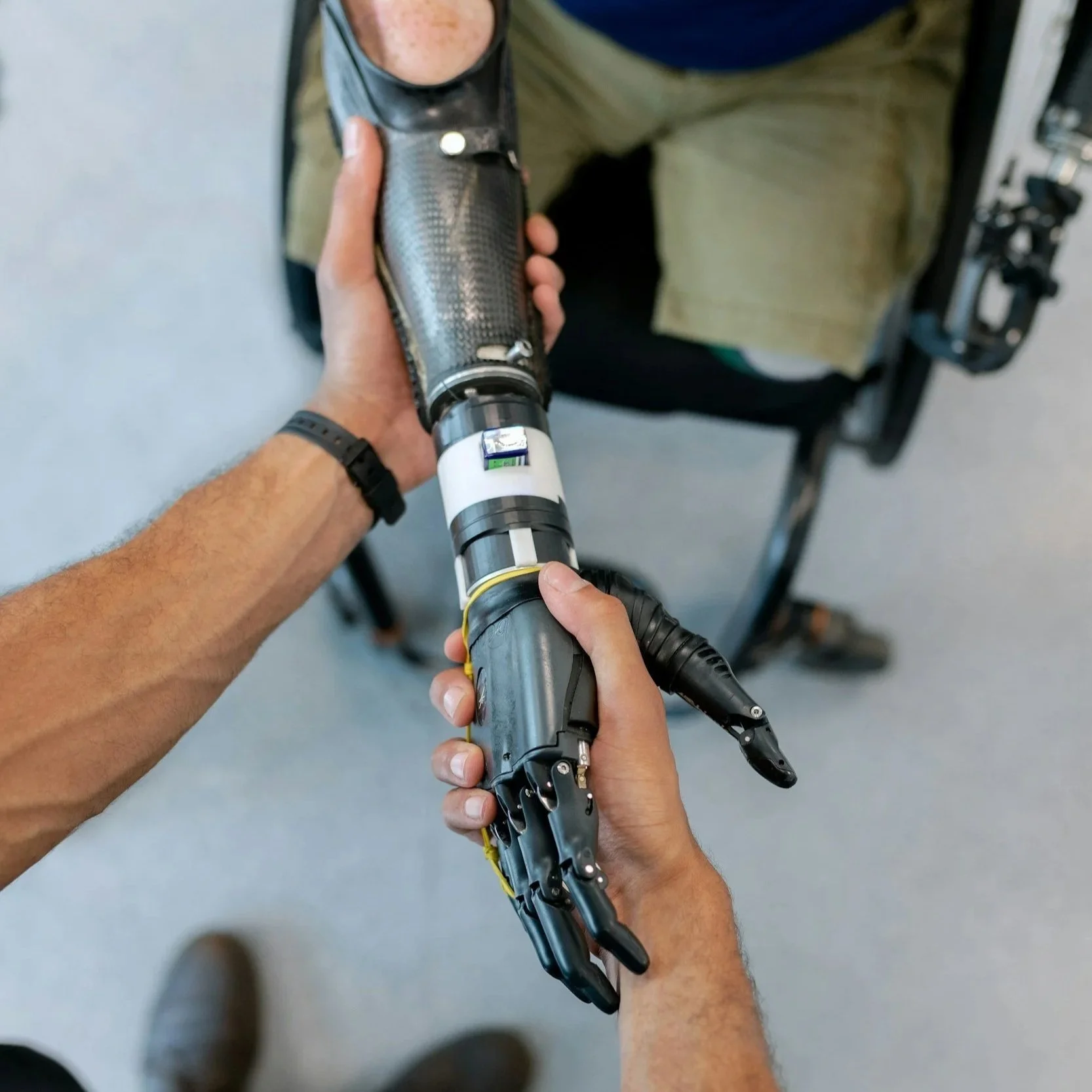
With the proper training and support, individuals can adjust to their new prosthetic device, learn to move with ease, and return to the activities they love.
Prosthetic rehabilitation is a crucial part of the recovery process for individuals who have lost a limb. Beyond simply fitting a prosthesis, rehabilitation focuses on helping patients regain their mobility, independence, and confidence. With the proper training and support, individuals can adjust to their new prosthetic device, learn to move with ease, and return to the activities they love. A custom, personalized rehabilitation plan provides more than just physical therapy; it offers the tools needed to rebuild a fulfilling life.
The Role of Prosthetic Rehabilitation
After receiving a prosthetic limb, the work doesn't stop at the fitting. Prosthetic rehabilitation involves a comprehensive training program that teaches individuals to use their new prosthesis effectively. Whether it's a leg, arm, or hand, adjusting to a new device requires patience, practice, and specialized guidance. A professional rehabilitation team works closely with patients to offer hands-on training, from basic movements to more complex tasks.
The rehabilitation process begins with understanding the patient's needs, goals, and lifestyle. Every individual is unique, and so is their rehabilitation plan. Prosthetists and rehabilitation specialists take the time to assess how the prosthesis will be used and tailor the training to match. The goal is to help the patient regain functional movement and independence, whether for daily activities, work, or recreation.
The Importance of Custom Training
One of the key elements of prosthetic rehabilitation is custom training. A prosthetist doesn't just hand over a device and expect the patient to figure things out on their own. Custom training involves hands-on techniques, demonstrations, and exercises designed to help individuals adjust to their prosthesis and develop the strength and coordination needed to use it.
For someone who has never used a prosthetic limb, using a new device can feel awkward or even intimidating. A prosthetic rehabilitation program will focus on developing balance, strength, and proper posture, gradually improving the individual's movement abilities. Over time, individuals learn to use their prosthetic more naturally, building confidence and comfort in their motions.
Building Confidence Through Support
Prosthetic rehabilitation isn't just about physical movement; it's also about building confidence. The journey of adapting to a prosthetic limb is both emotional and physical, and having the right support is essential. Working with a compassionate, understanding rehabilitation team makes all the difference. A supportive environment encourages patients to ask questions, voice concerns, and celebrate small victories throughout the rehabilitation process.
Professional prosthetic rehabilitation specialists act as coaches and cheerleaders, offering continuous motivation and emotional support. As patients make progress, they gain a sense of accomplishment and a renewed belief in their ability to overcome challenges. Whether it's mastering walking or returning to an active sport, these milestones are celebrated, fueling the drive to continue progressing.
Personalized Prosthetic Training for Specific Goals
Everyone's rehabilitation journey is different. Some patients may need help with mobility and balance, while others may be focused on returning to a sport or a specific job. Rehabilitation professionals design plans tailored to the individual's needs, helping them reach their personal goals. Whether it's walking long distances, using stairs, or performing delicate tasks with an upper-limb prosthetic, custom training makes a world of difference in helping patients regain full function.
Physical therapy is often integrated into prosthetic rehabilitation. A combination of strengthening exercises, stretching, and movement training helps build the necessary muscle groups to support the use of a prosthetic limb. In some cases, rehabilitation might also involve adapting to new ways of performing tasks, such as learning how to use assistive devices or modify everyday activities to work with the prosthesis.
Progressing to Everyday Life
The true success of prosthetic rehabilitation is measured by how well individuals can return to their everyday lives. Whether it's getting back to work, enjoying hobbies, or participating in family activities, prosthetic rehabilitation helps individuals regain independence and confidence in their abilities. It's not just about using a prosthesis, but about learning to live with it as part of one's lifestyle.
For some, this might involve modifying their home or workplace to accommodate the new mobility. For others, it might mean finding new hobbies or rediscovering old ones. Rehabilitation specialists work closely with patients to help them incorporate their prosthetic limb into their daily routines, offering guidance on safely navigating new challenges.
Long-Term Maintenance and Support
Prosthetic rehabilitation doesn't stop after the initial training. Ongoing support is essential to securing the long-term success of the rehabilitation process. As patients grow more comfortable with their prosthetic, they may find that their needs change over time. Whether it's an adjustment in the fit or the need for a new prosthetic component, having ongoing support from a prosthetic rehabilitation team is crucial.
Long-term rehabilitation might involve periodic check-ins, follow-up appointments, and adjustments to the prosthesis as the patient's body changes. As individuals continue to use their prosthetics, they may face new challenges or want to push their limits by engaging in more intense physical activities. Rehabilitation specialists are there to support these goals, providing solutions and encouragement as patients continue their journey.
Creating Independence and Empowerment
Prosthetic rehabilitation goes far beyond just "learning to walk" or "learning to move." It's about empowering individuals to take control of their lives and embrace the new opportunities that come with their prosthetic. Rehabilitation professionals play an important role in making patients feel empowered to live the life they deserve. By offering hands-on training, personalized support, and ongoing guidance, these specialists help individuals unlock their potential and live with confidence.
The overall goal is not only to help individuals master the use of a prosthetic limb but to help them master life with a prosthetic. Every step of the rehabilitation journey is about building strength, resilience, and a sense of self-efficacy. The result is a patient who feels more than capable of navigating the world, with a prosthetic limb that becomes an extension of their own body, not just an assistive device.
Conclusion
Prosthetic rehabilitation provides the foundation for individuals to regain mobility and independence after losing a limb. Custom training, personalized support, and a focus on confidence building all contribute to a successful rehabilitation process. With professional guidance, individuals can adapt to their new prosthesis, move with confidence, and return to their normal lives. Prosthetic rehabilitation isn't just about physical healing—it's about emotional empowerment and restoring confidence in motion.
Touchstone Rehabilitation is a physical therapy and occupational therapy expert offering prosthetic rehabilitation, physical therapy services, rehab technology, and rewalk exoskeleton system training in the Phoenix area. Our rehabilitation team helps patients manage their disorders and help them recover faster. Get in touch with our team to book a consultation.