
Vestibular Rehabilitation – Specialized Therapy for Balance and Dizziness Disorders
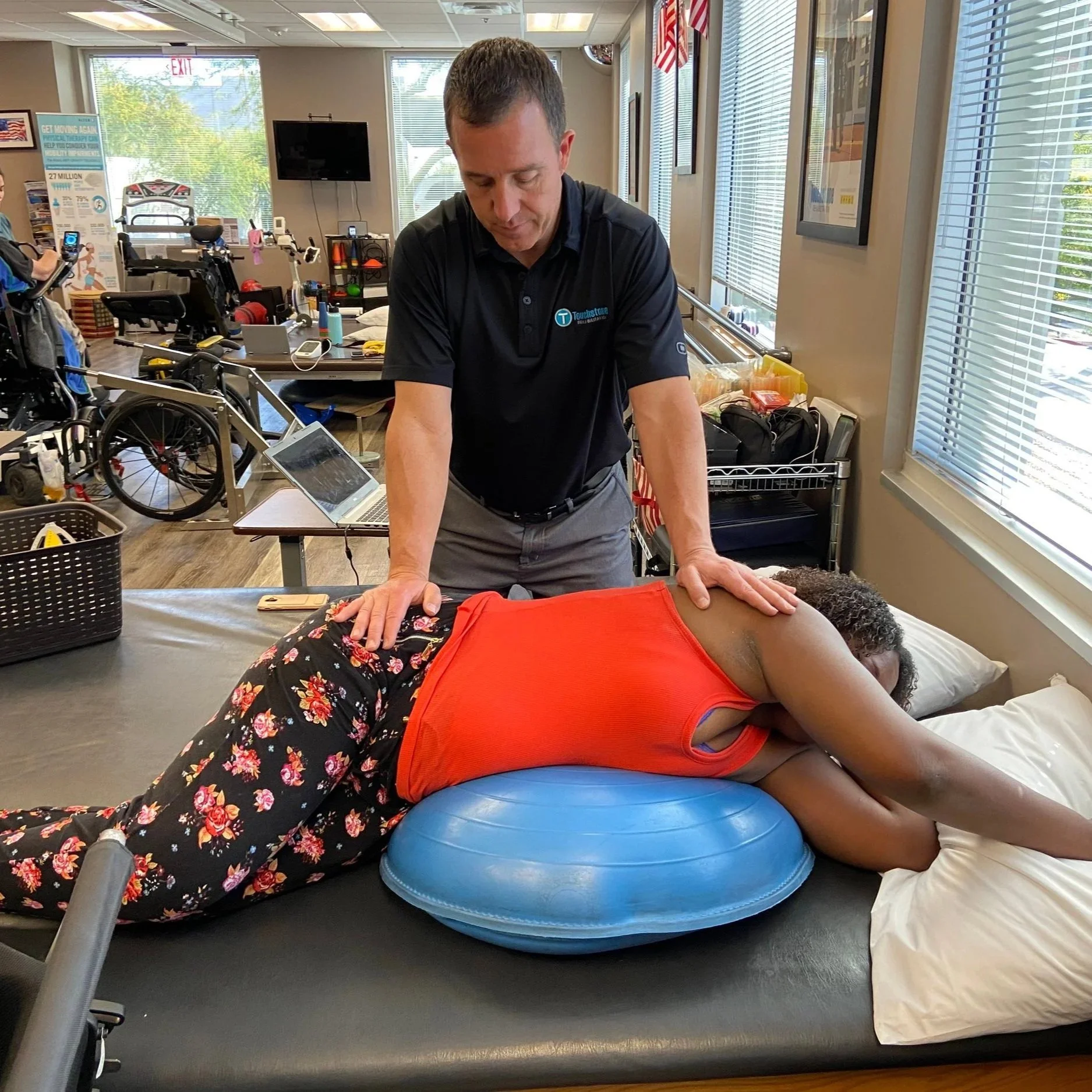
This therapy is tailored to address a range of conditions that affect balance and coordination, helping patients regain control over their movements and live more freely.
Balance and dizziness disorders can significantly impact daily life, making simple tasks like walking, standing, or even turning your head feel like an impossible challenge. These issues are often linked to the vestibular system, which controls our sense of balance. For individuals struggling with these conditions, vestibular rehabilitation therapy (VRT) offers a specialized, non-invasive approach to restoring stability and confidence. This therapy is tailored to address a range of conditions that affect balance and coordination, helping patients regain control over their movements and live more freely.
Understanding Vestibular Rehabilitation
Vestibular rehabilitation is a specialized form of physical therapy that concentrates on improving balance, reducing dizziness, and alleviating other symptoms related to inner ear and brain function. The goal is to retrain the brain and body to better coordinate with the vestibular system, the part of the inner ear that sends signals related to movement and spatial orientation. When this system is compromised—whether due to injury, illness, or aging—it can cause symptoms such as vertigo, dizziness, imbalance, and nausea.
The rehabilitation process involves targeted exercises to improve coordination, strength, and balance, while addressing specific symptoms of dizziness or vertigo. With guidance from trained professionals, patients can work through their challenges and progressively improve their ability to perform everyday tasks with greater ease.
What to Expect During Vestibular Rehabilitation Therapy
Vestibular rehabilitation therapy typically begins with a comprehensive assessment of the patient’s symptoms, medical history, and current physical condition. A skilled therapist will evaluate balance and posture, identify any movement limitations, and pinpoint the underlying causes of dizziness or instability.
After the assessment, a personalized treatment plan is made. Exercises vary based on the individual’s symptoms but are generally designed to stimulate the vestibular system and help the brain adapt to changes. Common techniques include gaze stabilization exercises, balance training, and habituation exercises, all aimed at retraining the body’s response to movement. These exercises challenge the vestibular system and help patients build tolerance to movements that might have previously triggered dizziness or discomfort.
Over time, therapy progresses as patients build strength and confidence. The exercises become more complex, gradually increasing in difficulty to help the brain process sensory information more efficiently. Some patients may also use specific techniques, such as the Epley maneuver, to reposition the inner ear crystals in cases of benign paroxysmal positional vertigo (BPPV), a condition often causing dizziness.
The Role of the Therapist in Rehabilitation
Vestibular rehabilitation is not a one-size-fits-all approach. Every individual’s condition is unique, and therapy must be adapted to meet their needs. A trained therapist plays a crucial role in guiding patients through the process. Not only do they create a customized plan, but they also confirm patients perform the exercises safely and effectively.
Therapists monitor progress, adjust exercises as needed, and offer support in managing symptoms. They also educate patients on managing dizziness and balance challenges in daily life. The partnership between the patient and therapist is crucial in creating an environment where recovery can happen steadily and successfully.
The Benefits of Vestibular Rehabilitation Therapy
Vestibular rehabilitation therapy offers a host of benefits that extend beyond just alleviating dizziness. By retraining the brain to compensate for vestibular dysfunction, patients can experience improvements in overall balance, strength, and coordination. These improvements, in turn, reduce the risk of falls, which are particularly important for older adults who may be more prone to injury.
VRT also helps to restore confidence in movement. Many individuals with balance disorders avoid certain activities or places out of fear of dizziness or falling. Through rehabilitation, they regain the ability to move more freely and comfortably, allowing them to enjoy social activities, exercise, and other hobbies that might have been difficult before.
For those with chronic dizziness or vertigo, vestibular rehabilitation provides a way to manage symptoms more effectively, reducing reliance on medications and allowing patients to find relief through physical techniques. The ability to live with less discomfort and greater stability enhances overall quality of life.
Key Conditions Treated with Vestibular Rehabilitation
Vestibular rehabilitation is effective for a range of conditions that cause balance problems and dizziness. Some of the most common conditions treated include:
Benign paroxysmal positional vertigo (BPPV)
Vestibular neuritis
Meniere’s disease
Post-concussion syndrome
Stroke-related balance issues
Age-related balance problems
These conditions can range in severity, and treatment approaches are adjusted accordingly. Whether dealing with a sudden bout of vertigo or a long-standing vestibular disorder, patients can benefit from tailored rehabilitation programs designed to meet their unique needs.
Complementing Other Forms of Rehabilitation
Vestibular rehabilitation therapy often works in conjunction with other rehabilitation services, such as physical therapy and occupational therapy. While VRT focuses specifically on balance and dizziness, physical therapy may address overall strength and mobility, while occupational therapy helps with daily living tasks. A comprehensive rehabilitation plan that incorporates multiple disciplines can offer the most effective results for individuals recovering from vestibular disorders.
When combined, these therapies create a holistic approach to recovery that addresses both the physical and practical aspects of life. By targeting different areas of the body and brain, patients can make strides toward improved independence and well-being.
Maintaining Progress After Rehabilitation
While vestibular rehabilitation therapy can be incredibly effective, the journey doesn’t end once therapy sessions are complete. Patients are encouraged to continue practicing the exercises at home and incorporate balance-enhancing activities into their daily routines. This ongoing practice helps to maintain progress and continue to improve over time.
Therapists often provide patients with exercises to complete at home and may recommend lifestyle changes, such as improving posture or avoiding certain triggers, to help manage symptoms. Patients who remain active, practice balance exercises, and remain mindful of their physical needs can enjoy lasting benefits from rehabilitation.
A Path to Stability and Confidence
Vestibular rehabilitation therapy provides the specialized care needed to treat balance and dizziness disorders, offering individuals the chance to regain control over their movements and their lives. By focusing on the vestibular system and retraining the brain and body, patients can experience reduced dizziness, improved balance, and a newfound sense of confidence.
Whether recovering from a specific condition or addressing long-standing balance issues, VRT offers a tailored approach to improving overall quality of life. With the guidance of skilled therapists and a personalized treatment plan, individuals can overcome the challenges of dizziness and enjoy a more stable and active lifestyle.
Touchstone Rehabilitation has a strong reputation in Phoenix, AZ, as a reliable and trusted physical therapy provider. We offer spinal cord injury rehab, spinal cord injury videos, vestibular rehabilitation, and vocational rehabilitation. We are a proud community sponsor of the 100 Club. Call today to book a service appointment.