
Stronger Every Season: Why Consistent Physical Therapy Keeps You Moving
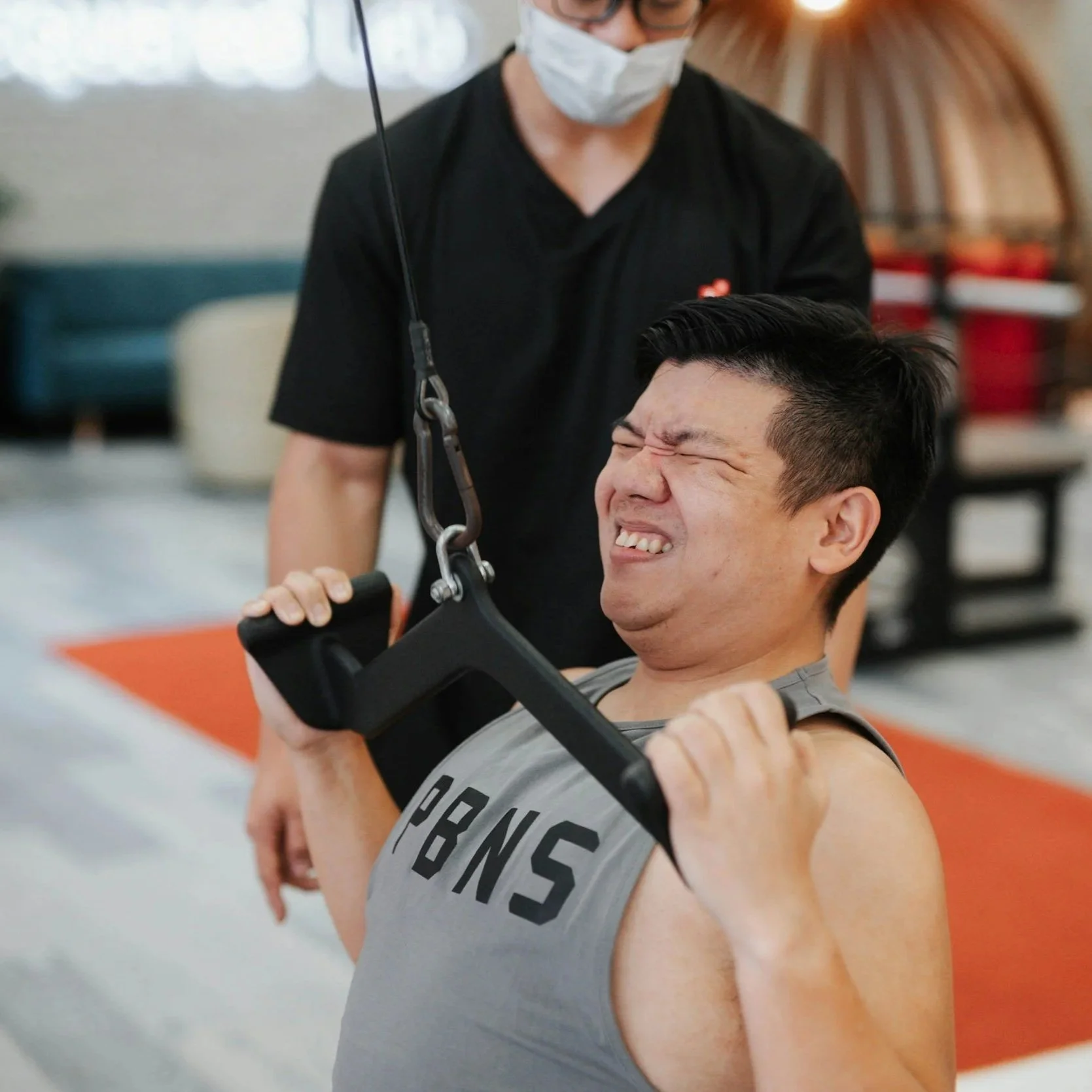
Consistent physical rehabilitation keeps the body adapting in the right direction rather than slipping back into protective or inefficient movement habits.
Physical rehabilitation rarely succeeds through short bursts of effort followed by long breaks. Consistency forms the foundation of lasting improvement, particularly in Arizona, where seasonal routines, weather changes, and lifestyle shifts can disrupt momentum. Many patients begin physical therapy with enthusiasm, experience early progress, then reduce frequency once pain eases or mobility improves slightly. Experienced providers see the pattern often. Gains stall, old compensations return, and minor issues grow into larger setbacks. Consistent physical rehabilitation keeps the body adapting in the right direction rather than slipping back into protective or inefficient movement habits.
Muscles, joints, and connective tissues respond best to steady, progressive input. Regular therapy reinforces proper mechanics, builds tolerance, and supports joint health over time. Gaps in care allow stiffness, weakness, or imbalance to creep back in, especially when daily life places uneven demands on the body. Physical rehabilitation works most effectively when sessions build on one another, allowing therapists to gradually adjust loading, technique, and challenge. Over time, consistency supports smoother, more natural movement patterns, helping patients stay active across seasons rather than cycling through pain and recovery.
Seasonal Changes And Their Impact On Movement
Seasonal shifts influence how the body moves, even in Arizona, where extreme cold may not dominate daily life. Cooler months often bring reduced activity, tighter muscles, and less joint lubrication due to lower overall movement. Hotter seasons can lead to dehydration, fatigue, and altered movement strategies as people conserve energy. Physical rehabilitation accounts for these fluctuations by adapting programs to seasonal realities rather than ignoring them. Consistent therapy helps the body transition smoothly between activity levels instead of reacting abruptly to change.
Patients who pause therapy during busy or uncomfortable seasons often return with stiffness or flare-ups that require regression before progress resumes. Physical rehabilitation provides continuity, stabilizing movement patterns despite lifestyle changes. Therapists adjust exercises to reflect seasonal activities such as gardening, hiking, or traveling. Over time, the body learns to tolerate variability without breaking down. Consistency across seasons allows physical rehabilitation to build resilience, helping patients stay mobile regardless of external conditions.
Preventing Small Issues From Becoming Chronic Problems
One of the most overlooked benefits of consistent physical rehabilitation lies in early problem detection. Minor aches, reduced range of motion, or subtle balance changes often signal deeper issues developing beneath the surface. Patients who attend therapy regularly give providers opportunities to address concerns before they escalate. Arizona clinicians frequently see individuals who delay care until pain disrupts daily life, turning manageable issues into chronic conditions.
Regular therapy sessions allow therapists to track movement quality over time. Changes in gait, posture, or strength are quickly noticed, leading to timely adjustments. Physical rehabilitation focuses on maintaining healthy mechanics rather than solely on reacting to injury. Ignoring early signs often results in compensatory patterns that stress other joints or muscles. Consistency helps interrupt that cycle, supporting long-term joint health and functional independence rather than repeated injury and recovery phases.
Strength Maintenance Versus Strength Recovery
Recovering strength differs significantly from maintaining it. Physical rehabilitation initially focuses on rebuilding lost capacity, but long-term success depends on preserving those gains. Patients who stop therapy once strength returns often lose progress as daily demands outpace conditioning. In Arizona, active lifestyles can mask underlying weakness until sudden increases in activity reveal deficits. Consistent therapy supports strength maintenance through targeted loading that adapts as life demands change.
Maintenance phases emphasize quality over quantity. Exercises become more functional, addressing endurance, control, and coordination rather than isolated muscle effort. Physical rehabilitation teaches the body to use strength efficiently across tasks rather than relying solely on peak force. Over time, maintained strength supports joint protection and energy efficiency. Consistency transforms therapy from a recovery tool into a long-term movement strategy that supports independence and confidence.
Joint Health And Mobility Over Time
Joint health depends on regular movement through appropriate ranges rather than sporadic stress. Physical rehabilitation supports cartilage nutrition, synovial fluid circulation, and tissue elasticity through consistent loading. Patients who attend therapy regularly often report smoother movement and reduced stiffness, particularly as they age. In Arizona, prolonged sitting, driving, and desk work contribute to joint restrictions that worsen without intervention.
Mobility declines gradually when movement becomes limited or guarded. Physical rehabilitation counters that trend through guided stretching, controlled loading, and movement reeducation. Gaps in care allow restrictions to return, sometimes more stubborn than before. Consistency keeps joints adaptable, supporting long-term comfort during daily tasks. Over time, maintained mobility reduces injury risk and preserves independence across changing life stages.
Neuromuscular Coordination And Movement Efficiency
Movement efficiency relies on coordination between muscles and the nervous system. Physical rehabilitation trains timing, sequencing, and control that reduce unnecessary effort. Consistent practice reinforces these patterns until they become automatic. Arizona therapists often see patients regain strength quickly, yet struggle with coordination when therapy becomes inconsistent. Efficient movement requires repetition under guidance, not just raw power.
Neuromuscular coordination improves when exercises progress gradually and build upon previous sessions. Interruptions slow adaptation and allow inefficient habits to resurface. Physical rehabilitation emphasizes quality movement under varying conditions, helping patients adapt to real-world demands. Over time, consistent therapy supports smoother transitions, better balance reactions, and reduced fatigue during daily activities.
Managing Pain Through Ongoing Physical Rehabilitation
Pain management often improves with consistent physical rehabilitation rather than sporadic treatment. Movement-based therapy supports circulation, reduces sensitivity, and restores confidence in the body. Patients who stop therapy once pain decreases sometimes experience recurrence when underlying contributors remain unaddressed. Physical rehabilitation focuses on long-term pain reduction by addressing strength, mobility, and movement patterns together.
In Arizona, active lifestyles and outdoor recreation increase the importance of proactive pain management. Consistent therapy helps patients tolerate activity without flare-ups by improving load distribution and control. Ignoring maintenance often leads to cycles of pain relief and relapse. Ongoing physical rehabilitation supports stable pain levels, allowing consistent participation in work and recreation rather than constant adjustment around symptoms.
Adapting Therapy As Life Demands Change
Life rarely stays static, and physical rehabilitation must adapt accordingly. Changes in work demands, family responsibilities, or recreational interests alter how the body gets used. Consistent therapy allows programs to evolve alongside those changes. Arizona providers often adjust treatment plans for seasonal sports, travel schedules, or new fitness goals. Physical rehabilitation works best when it remains flexible rather than rigid.
Patients who disappear from care during transitions often return needing to rebuild the progress they lost. Consistency allows therapists to guide adaptation gradually, reducing injury risk. Over time, physical rehabilitation becomes a collaborative process that responds to real life rather than interrupting it. That adaptability supports long-term success rather than short-lived improvement tied to a specific phase.
Mental Confidence And Trust In Movement
Confidence plays a major role in how people move. Physical rehabilitation supports mental trust in the body through repeated positive experiences. Consistent therapy reinforces success, reducing fear of movement that often lingers after injury. Arizona therapists frequently work with patients who limit activity due to uncertainty rather than physical inability. Regular sessions rebuild confidence through guided exposure to challenging but achievable tasks.
Interruptions in care can allow fear to return, even when physical capacity remains. Physical rehabilitation addresses both physical and psychological components of movement, recognizing their connection. Over time, consistent therapy supports confidence that carries into daily life, allowing individuals to move freely rather than cautiously. That trust supports sustained activity across seasons.
Aging Well Through Ongoing Physical Rehabilitation
Aging does not require inevitable decline, but it does demand adaptation. Physical rehabilitation supports healthy aging by maintaining strength, balance, and mobility. Arizona’s active retiree population benefits greatly from consistent therapy that addresses age-related changes proactively. Sporadic care often focuses on injury recovery rather than prevention.
Regular physical rehabilitation supports bone health, reduces fall risk, and preserves joints. Therapists adjust programs to match evolving needs rather than applying one-size-fits-all solutions. Over time, consistency supports independence and quality of life. Aging well becomes a process of maintenance and adaptation rather than a reaction to setbacks.
Physical Rehabilitation As Part Of A Lifestyle
Physical rehabilitation works best when viewed as part of an ongoing lifestyle rather than a temporary fix. Consistency allows therapy to complement fitness, recreation, and daily movement habits. Arizona patients who integrate therapy principles into routines often experience fewer setbacks and greater confidence. Physical rehabilitation teaches skills that extend beyond the clinic, supporting movement awareness throughout the day.
Lifestyle integration reduces reliance on reactive care. Patients learn to recognize early signs of strain and adjust activity accordingly. Consistency reinforces these skills until they become second nature. Over time, physical rehabilitation supports sustainable movement that adapts to seasons, goals, and life changes without constant interruption.
FAQs
How often should physical rehabilitation sessions occur for the best results?
The ideal frequency depends on your specific goals and condition, but consistent weekly or biweekly sessions typically support steady progress. Regular scheduling helps reinforce movement patterns and allows gradual improvements that are harder to achieve with sporadic visits.
Can physical rehabilitation help even when pain is not severe?
Yes, physical rehabilitation is not only for managing pain. It also improves movement quality, strength, and flexibility, making it a valuable option for prevention and performance even when discomfort is minimal or not present at all.
Does consistent therapy reduce the risk of future injuries?
Consistent therapy helps improve strength, coordination, and body awareness. These improvements reduce the likelihood of injuries during daily activities, exercise, and sports by supporting better movement patterns and control.
Is physical rehabilitation only for recovery after injury?
No, physical rehabilitation also plays an important role in maintenance, performance improvement, and healthy aging. Many people use it proactively to stay active and prevent issues before they develop.
What happens if physical therapy stops too early?
Stopping therapy too soon can lead to incomplete recovery and a higher chance of symptoms returning. Underlying movement issues may remain unresolved, which can slow progress or cause the same problem to reappear later.
Touchstone Rehabilitation provides occupational therapy or physical therapy services, vestibular rehabilitation, wheelchair training, learning to walk, unweighted aquatic therapy, and other services in the Phoenix area. Call us today to learn more.