
Stepping Forward: Modern Amputee Rehabilitation and the Power of Adaptation
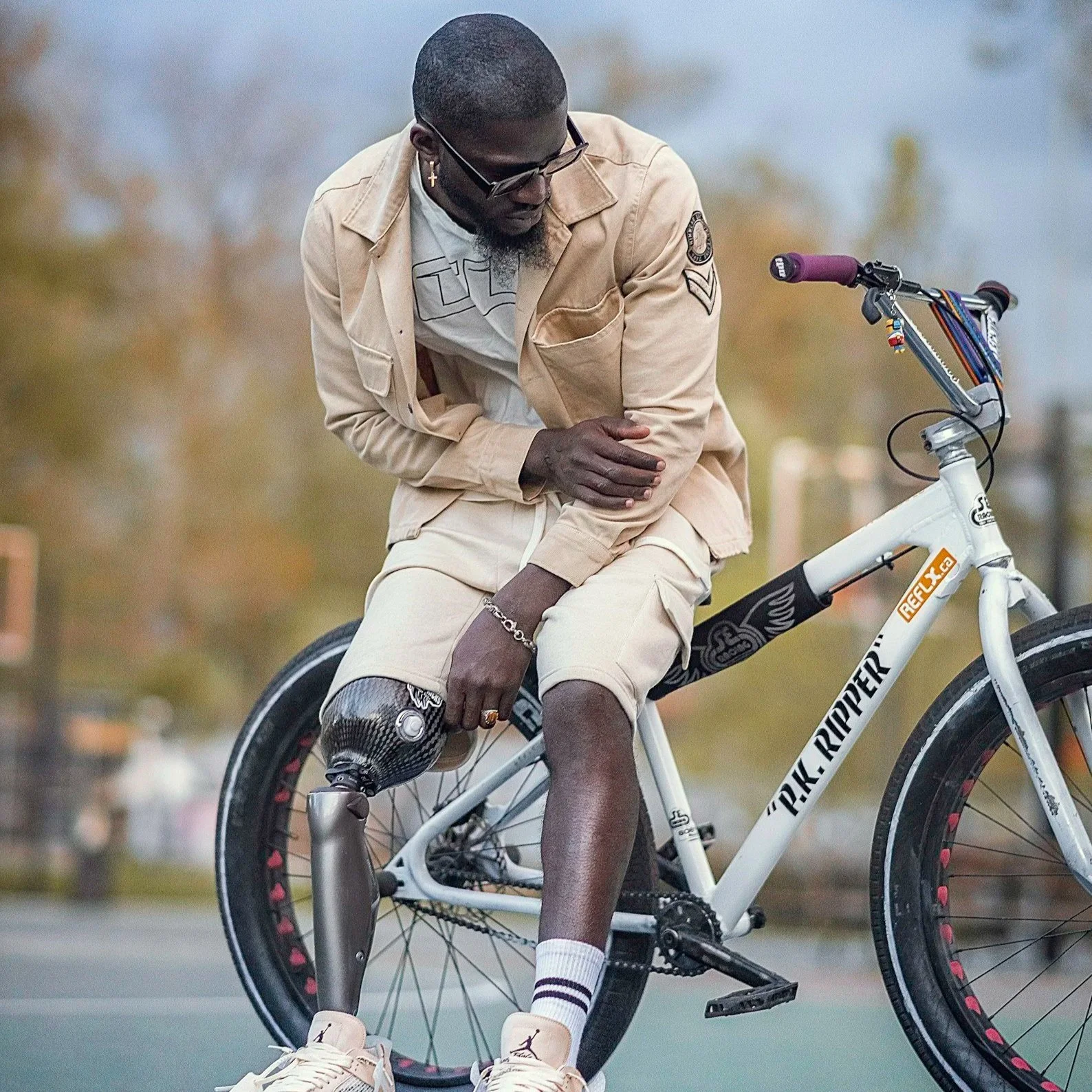
Modern amputee rehabilitation recognizes this reality and responds with comprehensive professional care that supports both the body and the mindset.
Amputee rehabilitation stands at the intersection of science, compassion, and human adaptability. Life after limb loss involves far more than physical healing. Movement, confidence, identity, and independence all shift at once. Modern amputee rehabilitation recognizes this reality and responds with comprehensive professional care that supports both the body and the mindset. Progress unfolds through guided movement, advanced technology, and a collaborative relationship between clinicians and patients. Rehabilitation becomes a forward-looking journey rather than a backward glance.
Understanding Amputee Rehabilitation In A Modern Clinical Setting
Amputee rehabilitation focuses on restoring functional mobility, balance, and strength while supporting emotional adjustment. Professional care begins with a detailed evaluation that considers surgical healing, overall health, lifestyle goals, and personal priorities. No two rehabilitation paths look the same because no two people experience limb loss in the same way.
Clinicians design programs that evolve alongside healing and adaptation. Early phases emphasize residual limb care, gentle mobility, and postural awareness. As strength and confidence grow, therapy shifts toward advanced movement, prosthetic training, and real-world function. Amputee rehabilitation adapts continuously, responding to progress rather than forcing rigid timelines.
The Role Of Adaptation In Recovery
Adaptation defines successful amputee rehabilitation. Bodies adjust to new biomechanics while minds reframe what movement means. Professionals guide patients through that process with patience and clarity. Adaptation does not mean settling for less. It means discovering new strategies that support independence and performance.
Therapy encourages experimentation in a safe environment. Patients learn how different movements feel, how balance shifts, and how strength distributes across the body. Each adaptation builds resilience. Over time, movement becomes intuitive again, even if it looks different than before.
Early Rehabilitation And Foundational Movement
Early amputee rehabilitation emphasizes stability, alignment, and residual limb health. Swelling management, skin care, and gentle strengthening support healing while preparing the body for future demands. Therapists focus on engaging the core and a patient's posture to establish a strong foundation.
Movement during early stages may appear subtle, yet it plays a powerful role. Small adjustments prevent compensatory habits that can lead to discomfort later. Professional guidance helps patients move with intention rather than caution alone. Confidence grows when movement feels supported instead of risky.
Prosthetic Integration And Functional Training
Prosthetic training represents a major milestone in amputee rehabilitation. Learning to use a prosthetic device involves both physical skills and cognitive processing. Therapists guide patients through weight-shifting, gait mechanics, and coordination exercises to promote efficiency.
Functional training bridges the gap between the clinic and daily life. Walking on varied surfaces, navigating stairs, and managing transitions all become part of therapy. Clinicians adjust training based on prosthetic design and individual goals. Amputee rehabilitation treats prosthetics as tools that support independence rather than replacements for ability.
Balance And Coordination After Limb Loss
Balance often changes significantly following amputation. The body recalibrates its center of gravity, and sensory input shifts. Amputee rehabilitation addresses these challenges through targeted balance training that builds stability and confidence.
Therapists introduce controlled challenges that encourage safe adaptation. Exercises focus on proprioception, reaction time, and spatial awareness. Balance improves through repetition and thoughtful progression. Patients often discover strength and control they did not expect.
Strength Training With Purpose
Strength training in amputee rehabilitation supports functional movement rather than isolated muscle growth. Therapists emphasize symmetry, core stability, and joint protection. Focusing on strength addresses both the affected and unaffected sides of the body.
Resistance training adapts to individual capacity and prosthetic use. Clinicians monitor technique closely to reduce strain. Purposeful strength supports walking endurance, transfers, and recreational activities. Strength becomes a means to live fully rather than a metric to chase.
Managing Residual Limb Health
Residual limb care remains central throughout amputee rehabilitation. Skin integrity, circulation, and comfort influence prosthetic use and overall mobility. Therapists educate patients on monitoring changes and responding early to discomfort.
Professional support helps address volume fluctuations and pressure points. Movement strategies adjust as the limb changes. Ongoing care supports long-term success rather than temporary progress. Attention to residual limb health empowers patients to participate actively in their rehabilitation journey.
Amputee Rehabilitation And Pain Management
Pain management plays an important role in amputee rehabilitation. Residual limb sensitivity, phantom sensations, and musculoskeletal discomfort can influence movement. Clinicians approach pain with a combination of education, movement strategies, and therapeutic techniques.
Therapy encourages active participation rather than avoidance. Gentle exposure to movement builds tolerance and confidence. Many patients find that purposeful activity reduces discomfort over time. Amputee rehabilitation supports pain management through informed action rather than passive solutions.
Psychological Resilience And Emotional Support
Limb loss affects identity as much as mobility. Amputee rehabilitation recognizes the emotional landscape that accompanies physical recovery. Clinicians create supportive environments where patients feel heard and respected.
Progress often arrives in waves rather than straight lines. Therapists normalize setbacks and celebrate effort. Humor and humanity play valuable roles in the process. Emotional resilience grows alongside physical strength, supporting long-term engagement.
Technology And Innovation In Modern Care
Advancements in prosthetic technology and rehabilitation tools continue to shape amputee rehabilitation. Microprocessor knees, dynamic feet, and advanced liners offer improved responsiveness and comfort. Therapists stay informed about innovations to integrate them effectively.
Technology enhances care when paired with professional expertise. Devices support movement, yet skilled training brings them to life. Amputee rehabilitation blends innovation with hands-on guidance to deliver meaningful results.
Upper Limb Amputee Rehabilitation Considerations
Upper limb amputee rehabilitation presents unique challenges related to fine motor skills and daily tasks. Therapists focus on shoulder stability, posture, and coordinated movement. Functional training includes reaching, grasping, and bilateral activities.
Adaptive strategies support independence in work and home environments. Prosthetic training emphasizes intuitive use and task-specific practice. Amputee rehabilitation addresses both physical abilities and problem-solving skills that support autonomy.
Lower Limb Amputee Rehabilitation And Gait Training
Lower limb amputee rehabilitation often centers on gait mechanics and endurance. Therapists analyze walking patterns to promote efficiency and reduce compensatory strain. Training adapts to terrain, speed, and functional demands.
Walking confidence grows through repetition and positive reinforcement. Patients learn how to adjust stride length, cadence, and posture. Amputee rehabilitation treats walking as a dynamic skill that evolves with experience.
Returning To Work And Recreation
Rehabilitation extends beyond basic mobility. Many patients aim to return to work, hobbies, and recreational activities. Therapists collaborate with patients to identify meaningful goals and develop strategies to reach them.
Job-specific movements and leisure activities become part of therapy. Whether standing for long periods or returning to sports, training reflects real-life demands. Amputee rehabilitation supports participation rather than limitation.
Family And Caregiver Involvement
Support systems play a valuable role in amputee rehabilitation. Family members and caregivers often participate in education sessions to understand movement strategies and safety considerations. Collaboration promotes confidence beyond the clinic.
Therapists provide guidance that empowers supporters without creating dependence. Clear communication helps everyone work toward shared goals. Amputee rehabilitation thrives when the environment supports growth and independence.
Long-Term Adaptation And Lifelong Movement
Adaptation continues long after formal therapy concludes. Bodies change, prosthetics evolve, and goals shift. Amputee rehabilitation prepares patients for that ongoing process by building problem-solving skills and movement awareness.
Follow-up care and periodic reassessment support long-term success. Patients learn how to respond to new challenges with confidence. Rehabilitation becomes a foundation rather than a finite chapter.
Why Professional Amputee Rehabilitation Matters
Professional amputee rehabilitation offers structure, expertise, and encouragement during a complex transition. Clinicians bring knowledge of biomechanics, healing, and movement science to each session. That expertise supports progress that respects both physical and emotional needs.
Guided rehabilitation reduces frustration and promotes safety. Patients benefit from individualized care rather than generic advice. Professional services transform adaptation into a supported experience rather than a solitary effort.
Building Confidence Through Movement
Confidence often returns through movement rather than words. Each successful step, reach, or transfer reinforces capability. Therapists design challenges that stretch comfort zones while honoring readiness.
Confidence grows as patients recognize their own resilience. Amputee rehabilitation celebrates effort and adaptability. Movement becomes a source of empowerment rather than uncertainty.
The Human Side Of Rehabilitation
Rehabilitation thrives on connection. Clinicians and patients work together through successes and setbacks. Shared laughter and honest conversations humanize the process.
Professional care balances clinical precision with empathy. That combination creates an environment where progress feels attainable. Amputee rehabilitation honors the whole person, not just the diagnosis.
Stepping forward after limb loss involves courage, adaptation, and expert support. Modern amputee rehabilitation blends advanced knowledge with personalized care to help individuals reclaim movement and independence. Through guided rehabilitation, adaptation becomes a powerful tool that opens new possibilities for living fully and confidently.
Consult the physical therapy experts at Touchstone Rehabilitation for assisted stretching, aquatic therapy, amputee rehabilitation, neurological rehabilitation, orthotic and prosthetic rehab, and spinal cord injury rehab in Phoenix, AZ. As specialized physical therapy and occupational therapy professionals, we aim to help you recover sooner. Call today.