
Meet Jaco: The Assistive Robot Changing Independence and Daily Living Forever
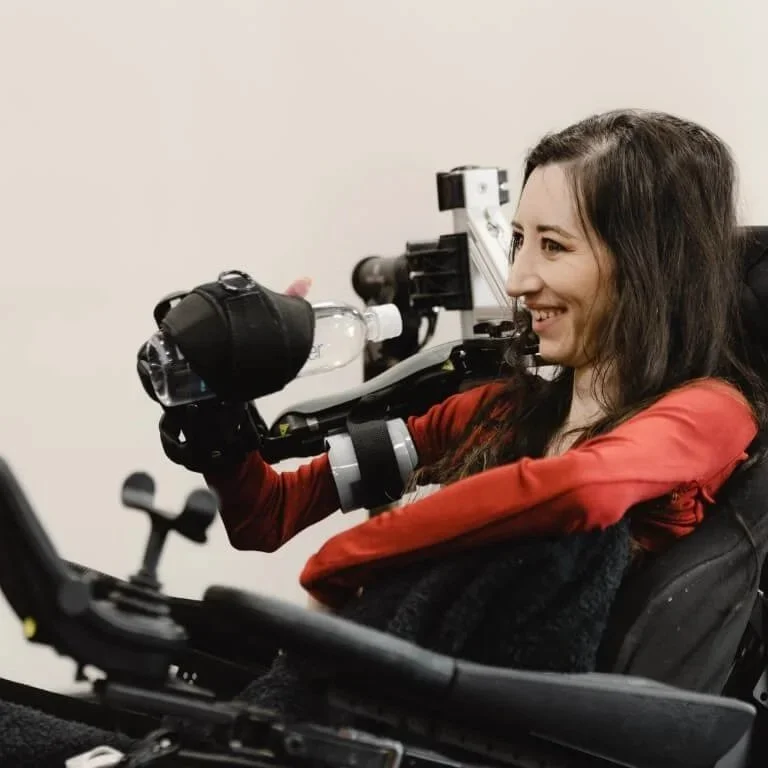
Designed to work alongside people rather than replace human effort, Jaco empowers individuals with limited upper limb function to interact with their environment in meaningful ways.
The Kinova Jaco assistive robot represents a major shift in how independence and daily living support look in modern rehabilitation and assistive care. Designed to work alongside people rather than replace human effort, Jaco empowers individuals with limited upper limb function to interact with their environment in meaningful ways. From grasping everyday objects to supporting complex routines, Jaco brings technology and humanity together in a way that feels practical, respectful, and surprisingly personal. Professional services play a critical role in unlocking the full potential of this assistive robot, transforming impressive engineering into real-life impact.
Understanding The Kinova Jaco Assistive Robot
The Kinova Jaco assistive robot is a lightweight robotic arm designed to mount to a wheelchair or fixed surface. It responds to user input through interfaces such as joysticks, switches, head controls, or other adaptive systems. Jaco assists with reaching, grasping, lifting, and positioning objects that would otherwise require full upper limb mobility.
Unlike industrial robotics, Jaco focuses on collaboration rather than automation. Movements appear smooth and intuitive, mirroring natural arm motion. The robot adapts to the user rather than forcing the user to adapt to technology. That philosophy makes Jaco a powerful tool in assistive technology and rehabilitation settings.
Who Benefits From Jaco Assistive Technology
The Kinova Jaco assistive robot supports individuals with spinal cord injuries, neuromuscular conditions, multiple sclerosis, cerebral palsy, and other diagnoses that limit arm and hand function. It also supports individuals with progressive conditions for whom preserving independence matters deeply.
Jaco fits into a wide range of lifestyles. Some users rely on it for essential daily tasks, while others use it to supplement partial arm function. Professional assessment determines how Jaco integrates into each person's routine. The robot adapts to individual needs rather than offering a one-size solution.
The Role Of Professional Services In Jaco Integration
Successful use of the Kinova Jaco assistive robot depends heavily on professional guidance. Occupational therapists, rehabilitation specialists, and assistive technology professionals assess physical abilities, environmental setup, and personal goals before introducing Jaco.
Professionals customize control interfaces, mounting options, and movement profiles. Training focuses on safe operation, efficient movement, and real-world application. Without professional support, even the most advanced assistive robot risks becoming underused. With the right guidance, Jaco becomes an extension of the user's intention rather than a complex machine.
Restoring Independence Through Everyday Tasks
Daily tasks often define independence more than dramatic milestones. Reaching for a cup, opening a door, or picking up dropped items shape how people experience autonomy. The Kinova Jaco assistive robot quietly and reliably supports these moments.
The user's guide helps Jaco grasp objects with controlled precision. Movements are smooth, allowing gentle handling of fragile items. Tasks that once required assistance become manageable again. That shift changes daily routines and restores a sense of personal control that many users value deeply.
Supporting Self-Care and Personal Routines
Self-care routines often pose significant challenges for individuals with limited upper-limb function. Jaco supports activities such as brushing hair, assisting with grooming tools, and managing personal items. Professional training focuses on safe positioning and movement strategies that respect comfort and dignity.
Therapists work with users to identify which routines matter most. Jaco adapts to those priorities rather than forcing new habits. The robot supports self-care rather than replacing human connection, striking a balance between independence and support.
Jaco And Meal Preparation Assistance
Meal-related tasks present multiple challenges involving reach, grip, and coordination. The Kinova Jaco assistive robot assists with holding utensils, moving dishes, and managing small objects. A professional setup focuses on positioning and control sensitivity.
Users often describe renewed enjoyment around meals when they regain active participation. Jaco supports interaction rather than passive assistance. Eating becomes a shared experience again rather than a logistical challenge.
Workplace And Educational Support With Jaco
The Kinova Jaco assistive robot extends beyond the home into workplaces and educational settings. Jaco supports tasks such as operating equipment, handling documents, and interacting with technology. Professional services assess workspace layout and job demands to support effective integration.
In educational environments, Jaco assists with note handling, lab activities, and classroom engagement. That support promotes inclusion rather than accommodation alone. Jaco helps individuals participate actively rather than observe from the sidelines.
Jaco In Rehabilitation And Therapy Settings
Rehabilitation professionals use the Kinova Jaco assistive robot as both an assistive device and a therapeutic tool. Training sessions focus on motor planning, coordination, and control. Users practice purposeful movement through guided interaction with the robot.
Therapists monitor posture, endurance, and technique during sessions. Adjustments improve efficiency and comfort. Jaco becomes part of a broader rehabilitation strategy rather than a standalone solution.
Custom Controls And Adaptive Interfaces
One of Jaco's strengths lies in its adaptable control options. Professionals tailor input methods to users' abilities. Joysticks, switches, sip-and-puff systems, or head arrays allow for flexible access.
Control customization influences how intuitive Jaco feels. Professionals fine-tune sensitivity and movement speed. That customization transforms complex commands into manageable actions. The result feels empowering rather than overwhelming.
Learning Curve And Skill Development
Using the Kinova Jaco assistive robot involves a learning process. Early sessions focus on basic movements and spatial awareness. Users practice guiding the arm through simple tasks before progressing to more complex routines.
Professional training emphasizes patience and consistency. Skills improve steadily as confidence grows. Many users find the process engaging rather than frustrating when guided appropriately. Learning becomes part of the empowerment journey.
Safety And Reliability In Daily Use
Safety remains a top priority in assistive robotics. The Kinova Jaco assistive robot incorporates collision detection and controlled force limits. Professional training reinforces safe use and proper maintenance.
Therapists educate users and caregivers on monitoring performance and responding to changes. Reliable operation builds trust over time. That trust allows users to rely on Jaco during meaningful daily activities.
Emotional Impact Of Regained Independence
Regaining independence through assistive technology carries emotional weight. Users often describe feelings of pride, relief, and renewed confidence. Jaco supports autonomy without isolating individuals from social interaction.
Professional services acknowledge emotional responses alongside physical training. Humor and encouragement often become part of sessions. That human element strengthens engagement and long-term success.
Jaco And Family Dynamics
Assistive technology influences family dynamics in subtle ways. The Kinova Jaco assistive robot shifts roles by reducing caregivers' reliance on certain tasks. That change supports mutual respect and shared independence.
Professionals include family members in training when appropriate. Education promotes understanding and realistic expectations. Jaco becomes a shared tool that supports independence without removing connection.
Adapting to Jaco As Needs Change
Needs evolve due to progression, recovery, or lifestyle changes. The Kinova Jaco assistive robot adapts through reprogramming, interface adjustments, and mounting changes. Professional follow-up supports long-term usability.
Regular reassessment keeps Jaco aligned with current goals. That flexibility protects the investment and supports continued engagement. Jaco grows alongside the user rather than becoming outdated.
Technology With A Human Focus
What sets Jaco apart is its human-centered design. Movements appear natural, and interaction feels collaborative. The robot responds smoothly rather than mechanically.
Professional services bridge technology and humanity by translating capability into function. That partnership defines successful assistive robotics. Jaco supports people rather than overshadowing them.
Reducing Fatigue And Physical Strain
Limited upper limb function often leads to overuse of other muscle groups. Jaco reduces physical strain by sharing the workload. Users conserve energy for activities that matter most.
Therapists monitor fatigue levels and adjust training accordingly. Reduced strain supports long-term health and participation. Jaco becomes a tool for sustainability rather than short-term convenience.
Independence Without Isolation
Independence does not mean isolation. The Kinova Jaco assistive robot supports engagement rather than separation. Users remain active participants in their environments.
Professionals encourage integration rather than substitution. Jaco complements human assistance where needed. That balance maintains social connection while supporting autonomy.
Why Professional Support Makes The Difference
Assistive technology thrives with professional involvement. The Kinova Jaco assistive robot reaches its full potential through assessment, training, and ongoing support. Clinicians bring insight into biomechanics, ergonomics, and functional goals.
Professional services prevent frustration and maximize benefit. Personalized care transforms technology into a meaningful daily partner. Without that support, even advanced tools risk underperformance.
Looking Ahead In Assistive Robotics
Assistive robotics continues to evolve, yet Jaco already demonstrates how thoughtful design changes lives. Integration of robotics into daily living feels less futuristic and more practical with tools like Jaco.
Professionals remain central to that evolution. Human expertise guides ethical, effective use. The future of assistive robotics values collaboration between technology and care.
A New Definition Of Independence
Independence looks different for everyone. The Kinova Jaco assistive robot respects that individuality by supporting personal goals rather than prescribing outcomes. Users define success through participation and choice.
Professional services honor that definition by listening first. Jaco becomes a means to live on one's own terms rather than a symbol of limitation.
Changing Daily Living One Movement At A Time
The Kinova Jaco assistive robot changes daily living through small, meaningful moments. Picking up an object, interacting with others, and participating fully in routines shape quality of life.
Through professional guidance and thoughtful integration, Jaco delivers more than function. It restores agency, confidence, and connection. Assistive technology finds its purpose when it supports human potential, and Jaco stands as a powerful example of that mission in action.
Touchstone Rehabilitation offers specialized assisted stretching, aquatic therapy, amputee rehabilitation, Kinova Jaco assisted robot, and neurological rehabilitation for patients in the Phoenix area. We have over two decades of combined experience and use cutting-edge technology and techniques for speedy recovery. Call today to schedule a consultation.