
Balancing Act: The Science and Support Behind Orthotic and Prosthetic Rehab
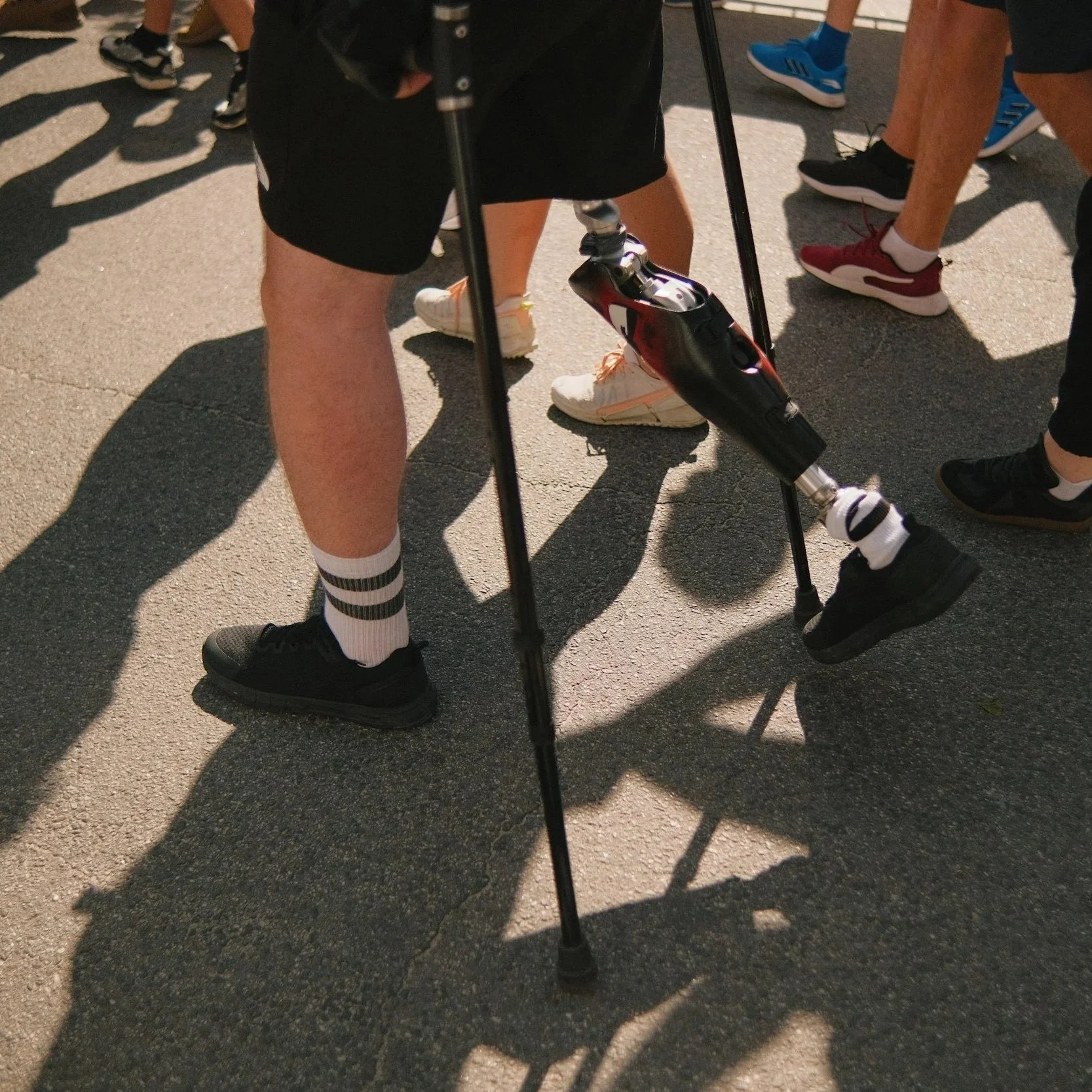
Rehabilitation today emphasizes adaptability and long-term function rather than short-term alignment.
Orthotic and prosthetic rehabilitation has changed significantly over the years, moving far beyond simple device fitting and basic gait training. Earlier approaches often treated braces or prosthetic limbs as standalone solutions, paying little attention to how the body adapts over time. Clinicians across Arizona began noticing that patients could receive well-built devices yet still struggle with discomfort, fatigue, or inefficient movement patterns. Modern physical rehabilitation recognizes that successful outcomes depend on how the nervous system, muscles, joints, and balance systems learn to work together with assistive devices during real-life activities.
Rehabilitation today emphasizes adaptability and long-term function rather than short-term alignment. Therapists work closely with orthotists and prosthetists to adjust devices as patients gain strength, coordination, and confidence. Small changes in socket fit, brace tension, or alignment can dramatically influence comfort and energy use. Physical rehabilitation now treats orthotic and prosthetic care as an ongoing process rather than a single event. That shift allows patients to move more naturally, reduce compensatory strain, and build sustainable mobility that supports daily life both inside and outside the clinic.
The Role Of Biomechanics In Restoring Movement
Biomechanics sits at the heart of effective orthotic and prosthetic rehabilitation. Every step, reach, or weight shift involves complex interactions between joints, muscles, and external forces. Physical rehabilitation professionals analyze how forces travel through the body and into assistive devices during movement. In Arizona clinics, gait analysis often reveals subtle compensations that patients may not feel, but that can place stress on the hips, knees, or lower back over time.
Understanding biomechanics helps guide device selection and training strategies. A prosthetic foot, knee unit, or ankle brace must complement the user’s strength and control rather than forcing unnatural movement. Overlooking biomechanical alignment often leads to pain, skin breakdown, or fatigue that discourages consistent device use. Physical rehabilitation addresses these issues by teaching patients how to distribute load efficiently and adjust movement patterns as skills improve. Over time, proper biomechanical integration supports smoother movement, greater endurance, and reduced risk of secondary injuries that commonly develop when compensations go unaddressed.
Neuromuscular Adaptation And Motor Relearning
Orthotic and prosthetic use requires the nervous system to relearn how to interpret sensory input and coordinate movement. Neuromuscular adaptation plays a major role in how quickly and comfortably patients adjust to new devices. Physical rehabilitation programs focus on retraining timing, balance reactions, and muscle activation patterns that differ from pre-injury movement. Arizona clinicians often observe that early training sets the tone for long-term success, particularly when patients practice purposeful tasks rather than isolated drills.
Motor relearning involves repetition paired with meaningful challenges. Walking on different surfaces, navigating turns, and managing uneven ground help the nervous system refine control. Ignoring neuromuscular adaptation often leads to stiff or guarded movement that increases energy cost. Physical rehabilitation encourages gradual exposure to varied environments so patients develop confidence and automatic responses. Over time, the nervous system integrates the device into movement planning, allowing attention to shift from mechanics to participation in everyday activities.
Device Fit And Its Impact On Skin And Comfort
Proper fit remains one of the most critical factors in orthotic and prosthetic rehabilitation. Even minor pressure points can lead to skin irritation, breakdown, or pain that limits device use. Physical rehabilitation teams in Arizona pay close attention to how devices interact with soft tissue during movement rather than relying solely on static fit assessments. Changes in swelling, muscle tone, or activity level often require ongoing adjustments.
Skin health depends on load distribution, ventilation, and friction management. Rehabilitation professionals teach patients how to monitor their skin daily and recognize early warning signs before problems escalate. Ignoring fit issues often leads to reduced wear time, altered gait patterns, or activity avoidance. Physical rehabilitation treats comfort as foundational rather than optional, recognizing that consistent device use supports better outcomes than intermittent use interrupted by pain or injury.
Balance Training And Fall Risk Reduction
Balance challenges remain common during orthotic and prosthetic rehabilitation, particularly during early stages of adaptation. Assistive devices alter sensory feedback from the feet and joints, requiring the body to recalibrate balance strategies. Physical rehabilitation programs emphasize balance training that reflects real-world demands rather than relying solely on static standing exercises. Arizona therapists often incorporate uneven surfaces, directional changes, and dynamic reaching tasks to build confidence.
Fall risk increases when balance training receives insufficient attention. Patients may develop fear-based movement patterns that limit independence. Physical rehabilitation addresses these concerns by gradually increasing challenge while reinforcing safe recovery strategies. Over time, improved balance supports smoother transitions, safer mobility, and greater participation in community activities. Consistent balance training helps patients trust their devices and their bodies in unpredictable environments.
Strength And Endurance Conditioning With Assistive Devices
Strength and endurance conditioning remain essential components of orthotic and prosthetic rehabilitation. Assistive devices change how muscles work, often increasing demand on certain muscle groups while reducing load on others. Physical rehabilitation programs in Arizona tailor conditioning to address these shifts, focusing on functional strength rather than isolated muscle building. Activities such as stair climbing, sit-to-stand transitions, and prolonged walking build capacity for daily life.
Endurance plays a major role in long-term success. Patients who fatigue quickly may rely on compensatory patterns that increase injury risk. Physical rehabilitation gradually increases activity duration while monitoring form and comfort. Ignoring endurance conditioning often leads to frustration and limited community participation. Over time, balanced conditioning supports sustained mobility and reduces reliance on assistance for routine tasks.
Psychological Adjustment And Confidence Building
Orthotic and prosthetic rehabilitation extends beyond physical training to include psychological adjustment. Changes in mobility, appearance, or independence can affect confidence and motivation. Physical rehabilitation professionals recognize that emotional responses influence engagement and outcomes. Arizona clinics often create supportive environments where patients feel comfortable discussing challenges and celebrating progress.
Confidence builds through successful experiences. Rehabilitation programs emphasize achievable goals that reinforce capability rather than focusing solely on deficits. Ignoring psychological factors may slow progress even when physical potential exists. Physical rehabilitation supports resilience by addressing fear of falling, frustration with setbacks, and identity changes associated with assistive device use. Over time, confidence supports a greater willingness to explore new activities and environments.
Technology And Innovation In Modern Devices
Advances in orthotic and prosthetic technology continue to shape rehabilitation strategies. Lightweight materials, microprocessor-controlled components, and energy-return designs offer improved performance. Physical rehabilitation teams in Arizona work closely with device specialists to integrate technology effectively rather than treating it as a shortcut. Training focuses on teaching patients how to use features intentionally rather than relying on automatic responses.
Technology alone does not guarantee better outcomes. Without proper training, advanced devices may feel unpredictable or overwhelming. Physical rehabilitation bridges that gap by aligning technology use with functional goals. Over time, patients learn to adjust settings and movement strategies that maximize benefit. Thoughtful integration of innovation supports efficiency and comfort rather than complexity.
Interdisciplinary Collaboration In Orthotic And Prosthetic Rehab
Successful orthotic and prosthetic rehabilitation relies on collaboration across disciplines. Physical therapists, orthotists, prosthetists, physicians, and support staff contribute unique expertise. Arizona rehabilitation centers emphasize communication to coordinate adjustments, training progression, and long-term planning. Patients benefit when professionals align goals and share observations.
Interdisciplinary care allows timely problem-solving. Skin issues, alignment concerns, or functional plateaus receive prompt attention when teams work together. Failing to collaborate often leads to fragmented care and delayed progress. Physical rehabilitation thrives when expertise overlaps constructively, creating a cohesive support system that adapts as patient needs evolve.
Community Integration And Real Life Skill Development
Rehabilitation success depends on how well skills transfer beyond the clinic. Orthotic and prosthetic rehabilitation increasingly emphasizes community integration and real-life practice. Physical rehabilitation programs in Arizona incorporate outdoor walking, public spaces, and household tasks into training. These environments challenge balance, endurance, and problem-solving in ways clinics cannot fully replicate.
Real-life skill development supports independence and confidence. Patients learn to manage curbs, uneven terrain, and crowded spaces safely. Ignoring community integration may leave patients capable in therapy yet hesitant in daily life. Physical rehabilitation bridges that gap by supporting gradual exposure to real-world challenges. Over time, patients develop strategies that enable them to participate in work, recreation, and social activities with greater ease.
Long-Term Maintenance And Device Management
Orthotic and prosthetic rehabilitation continues long after initial training ends. Long-term maintenance includes maintaining strength, monitoring skin, and adjusting devices as activity levels change. Physical rehabilitation providers in Arizona educate patients to recognize signs warranting reassessment, such as increased discomfort or altered movement patterns.
Life changes influence device needs. Weight fluctuations, new activities, or aging processes may require modifications. Ignoring long-term management often leads to a decline in comfort or function. Physical rehabilitation empowers patients with knowledge and resources to maintain mobility over time. Ongoing engagement supports sustained independence and reduces the risk of secondary complications.
FAQs
How long does orthotic or prosthetic rehabilitation usually take?
Rehabilitation timelines vary depending on individual goals, the complexity of the device, and overall physical condition. Many patients participate in structured therapy for several months while continuing to build strength and coordination through independent practice over time.
Can physical rehabilitation help if a device feels uncomfortable?
Yes, physical rehabilitation can help identify movement patterns or fit-related issues that contribute to discomfort. Therapists often collaborate with device specialists to improve alignment, function, and overall comfort during use.
How often should orthotic or prosthetic devices be adjusted?
Adjustments are typically needed periodically as strength, activity level, and body composition change. Regular follow-up appointments help ensure the device continues to fit properly and perform as intended.
Is balance training necessary even with a well-fitted device?
Yes, balance training remains an important part of rehabilitation because assistive devices change how the body senses movement and position. Training helps the nervous system adapt, improving stability and confidence during daily activities.
What happens after formal rehabilitation ends?
After completing formal rehabilitation, most patients transition to self-managed routines with occasional professional check-ins. This approach helps maintain progress while addressing any new challenges that arise over time.
Touchstone Rehabilitation is a physical therapy and occupational therapy expert offering prosthetic rehabilitation, physical therapy services, rehab technology, and rewalk exoskeleton system training in the Phoenix area. Our rehabilitation team helps patients manage their disorders and help them recover faster. Get in touch with our team to book a consultation.