
Rewiring Strength: The Latest Breakthroughs in Neurological Rehabilitation
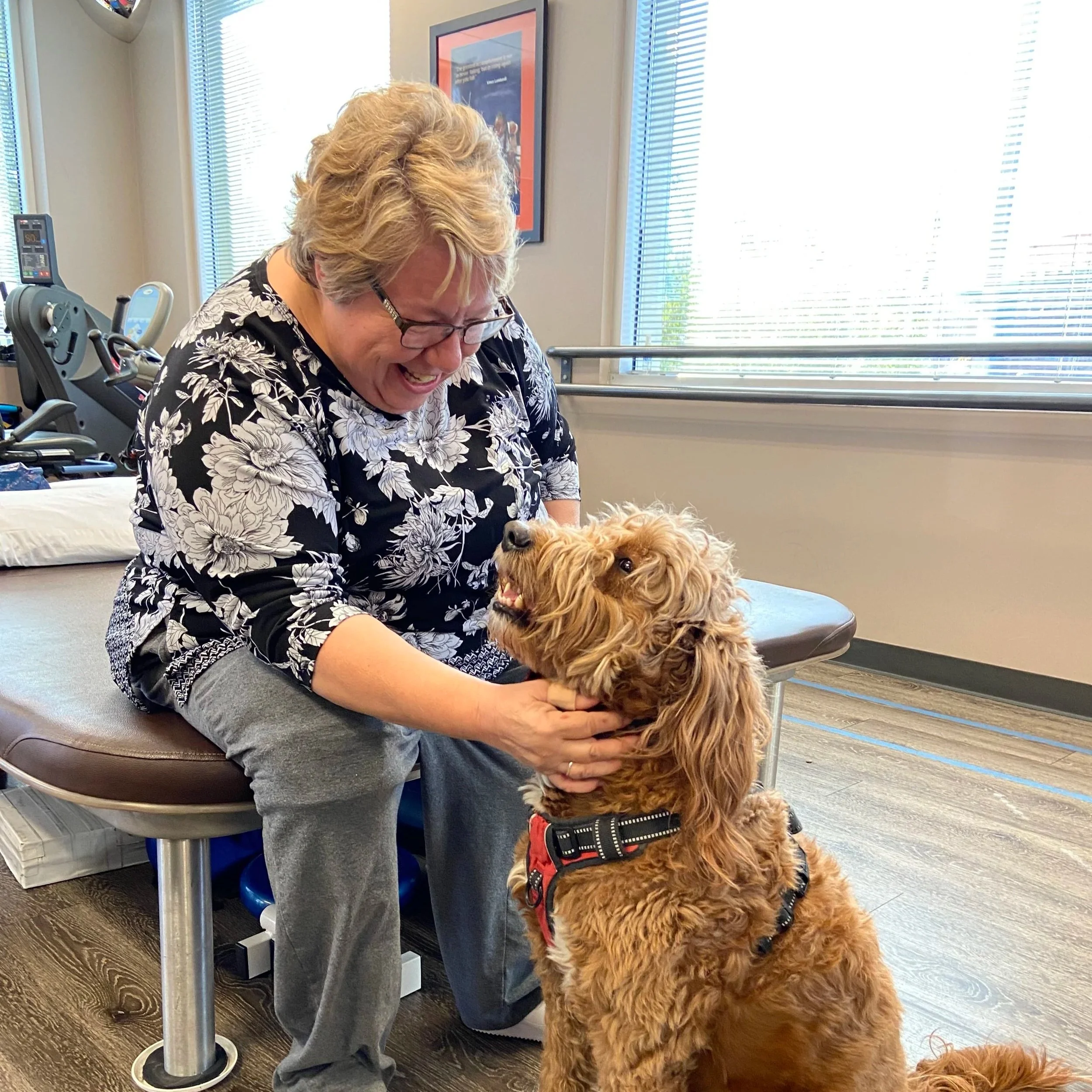
Modern neurological rehabilitation now recognizes that recovery depends on stimulating the brain in meaningful, task-specific ways that encourage neural adaptation rather than simply rebuilding muscle power.
Neurological rehabilitation has changed dramatically over the past decade, shifting from rigid, repetitive exercises to highly adaptive, patient-centered approaches that reflect how the brain actually heals. Early rehabilitation models focused almost entirely on muscle strength and basic mobility, often overlooking the complex relationship between the nervous system, sensory input, and cognitive engagement. Clinicians working in Arizona have seen firsthand how these older methods could stall progress once patients reach certain plateaus. Modern neurological rehabilitation now recognizes that recovery depends on stimulating the brain in meaningful, task-specific ways that encourage neural adaptation rather than simply rebuilding muscle power.
Advancements in imaging, movement analysis, and outcome tracking have reshaped how therapists design programs for stroke survivors, spinal cord injury patients, and individuals living with neurodegenerative conditions. Therapy plans now adapt dynamically as the brain responds to training, allowing clinicians to fine-tune intensity and complexity over time. Patients often notice greater engagement and motivation because therapy feels purposeful rather than mechanical. Rehabilitation teams draw insights from diverse fields, sometimes even studying workflow optimization techniques used in unrelated sectors, such as roofing services, where sequencing, load management, and material response under stress offer surprisingly relevant parallels for understanding recovery processes.
Neuroplasticity And Why Timing Matters In Recovery
Neuroplasticity describes the brain’s ability to reorganize itself by forming new neural connections. In neurological rehabilitation, timing plays a critical role in harnessing that adaptability. Early intervention after injury often yields better outcomes because the brain remains highly responsive to targeted input during the initial recovery phases. Clinicians in Arizona frequently observe that patients who begin therapy promptly tend to regain functional skills more efficiently than those who delay care. Modern rehabilitation protocols emphasize early, structured engagement that challenges the nervous system without overwhelming it.
Long-term neuroplastic changes depend on repetition combined with meaningful variation. Exercises that mimic real-world activities stimulate broader neural networks than isolated movements. Therapists guide patients through progressively complex tasks that reinforce motor planning, balance, and sensory integration. Over time, neural pathways strengthen through consistent use, supporting lasting improvements in daily function. Ignoring neuroplastic principles often leads to stalled recovery, where patients regain strength but struggle with coordination or confidence. Understanding timing and neural adaptation allows rehabilitation teams to design programs that support steady progress rather than short-lived gains.
Advanced Robotics And Assisted Movement Technology
Robotic-assisted therapy is among the most visible breakthroughs in neurological rehabilitation. Devices that support gait training, upper limb movement, and balance provide controlled assistance while allowing patients to initiate movement themselves. In Arizona clinics, robotic systems help individuals practice walking patterns even when voluntary control remains limited. These systems adjust support levels in real time, encouraging active participation rather than passive motion.
Robotics also provides precise data on movement quality, speed, and endurance, giving therapists valuable insight into recovery trends. Patients benefit from consistent feedback that reinforces proper movement patterns. Over time, robotic assistance decreases as neurological control improves, supporting independence. When used thoughtfully, robotics complements hands-on therapy rather than replacing it. Ignoring the integration of advanced movement technology may limit recovery potential, particularly for patients with severe impairments who struggle to initiate traditional exercises early in rehabilitation.
Virtual Reality and Sensory-Driven Therapy
Virtual reality has emerged as a powerful tool in neurological rehabilitation by engaging multiple sensory systems simultaneously. VR-based therapy places patients in immersive environments that challenge balance, coordination, and cognitive processing. Clinics across Arizona use these systems to simulate real-life tasks such as navigating uneven terrain or reaching for objects in dynamic settings. Patients often find VR sessions motivating because therapy feels interactive rather than clinical.
Sensory feedback within virtual environments reinforces neural learning by linking movement with visual and auditory cues. Therapists customize scenarios to match patient abilities, gradually increasing complexity as skills improve. Over time, patients develop greater confidence transferring skills from virtual tasks to real-world activities. Failing to address sensory integration can limit functional recovery, leaving patients strong yet hesitant in unpredictable environments. Virtual reality supports holistic rehabilitation by addressing both physical and perceptual aspects of neurological recovery.
Functional Electrical Stimulation And Neural Activation
Functional electrical stimulation has gained renewed attention as techniques improve and research expands. FES uses targeted electrical impulses to activate muscles during functional tasks, reinforcing brain-muscle connections. In neurological rehabilitation settings, FES supports activities such as grasping, stepping, and posture control when voluntary movement remains inconsistent. Arizona clinicians often combine FES with task-specific training to enhance neural feedback loops.
Repeated pairing of electrical stimulation with intentional movement strengthens neural pathways over time. Patients gradually require less stimulation as voluntary control improves. FES also helps prevent muscle atrophy and joint stiffness during early recovery phases. Without proper integration, stimulation alone provides limited benefit. Therapists emphasize purposeful movement rather than isolated muscle contraction, aligning FES use with broader rehabilitation goals that support functional independence.
Cognitive And Motor Integration In Modern Therapy
Neurological rehabilitation increasingly addresses cognitive and motor functions together rather than treating them separately. Brain injuries often affect attention, memory, and problem-solving, as well as physical impairments. Modern therapy sessions incorporate dual-task activities that challenge patients to move while processing information or making decisions. Arizona rehabilitation teams report improved real-world function when cognitive demands mirror daily life situations.
Integrating cognition into movement training helps patients regain independence in complex environments. Tasks like navigating busy spaces or managing household routines require coordination between physical ability and mental focus. Over time, combined training supports smoother transitions from clinic to community. Failing to account for cognitive integration can lead to patients who perform well in controlled settings but struggle in everyday situations. Comprehensive neurological rehabilitation addresses the full spectrum of recovery needs.
Personalized Data-Driven Rehabilitation Plans
Data analytics now play a significant role in shaping neurological rehabilitation programs. Wearable sensors, motion capture systems, and outcome tracking tools provide objective feedback on patient performance. Clinicians in Arizona use this data to adjust therapy intensity and focus areas based on measurable progress rather than solely on subjective observation. Personalized plans evolve as patients improve, maintaining appropriate challenge levels.
Data-driven insights also support long-term goal setting by identifying patterns that predict recovery milestones. Patients gain clarity on progress, which often boosts motivation and adherence. Rehabilitation teams refine interventions to address specific deficits rather than applying generalized protocols. Ignoring data-driven customization may slow recovery or overlook subtle improvements that guide next steps. Precision planning strengthens the partnership between patient and provider throughout the rehabilitation journey.
Community-Based and Home-Integrated Rehabilitation
Neurological rehabilitation increasingly extends beyond clinic walls into community and home environments. Therapists design programs that incorporate household tasks, neighborhood mobility, and social participation. In Arizona, where the climate allows outdoor activity year-round, community integration supports confidence and endurance development. Patients practice skills where they matter most, reinforcing functional relevance.
Home-based technology allows remote monitoring and guided exercise between clinic visits. Virtual check-ins and digital platforms maintain continuity of care without constant travel. Over time, patients develop self-management skills that support long-term outcomes. Ignoring community integration risks creating a gap between clinic performance and real-life function. Modern rehabilitation emphasizes continuity across environments to support sustained independence.
The Role Of Interdisciplinary Collaboration
Successful neurological rehabilitation relies on collaboration among therapists, physicians, psychologists, and support staff. Each discipline contributes unique insights that shape comprehensive care plans. Arizona rehabilitation centers emphasize team communication to address physical, cognitive, and emotional needs simultaneously. Patients benefit when care providers align strategies rather than working in isolation.
Interdisciplinary approaches also incorporate lessons from diverse industries. Process optimization concepts drawn from fields such as roofing services sometimes inform scheduling efficiency, workload balance, and resource management within rehabilitation clinics. These parallels highlight how structured systems support performance under stress, whether in construction or healthcare. Collaboration strengthens outcomes by integrating expertise across domains.
Long-Term Outlook And Sustaining Neurological Gains
Sustaining progress after formal neurological rehabilitation requires ongoing engagement and adaptive strategies. Patients often transition from intensive therapy to maintenance programs that reinforce gains. Arizona providers emphasize education on movement habits, exercise routines, and lifestyle choices that support neural health. Long-term success depends on consistency rather than intensity alone.
Periodic reassessment helps identify emerging challenges or opportunities for further improvement. Rehabilitation does not end with discharge but evolves as patients encounter new life demands. Ignoring long-term planning can lead to regression or injury. Modern rehabilitation supports lifelong adaptability, empowering individuals to proactively manage their neurological health.
FAQs
How long does neurological rehabilitation typically take?
Rehabilitation duration varies based on the type of neurological condition, severity of the injury, and how each individual responds to treatment. Many patients participate in structured therapy for several months, followed by continued progress through guided home programs and community-based activities.
Can neurological rehabilitation help years after an injury?
Yes, neurological rehabilitation can support improvement even years after an injury by taking advantage of the brain’s ability to adapt and reorganize, known as neuroplasticity. Progress is often most effective when therapy focuses on meaningful, task-specific activities that relate to daily life.
Is advanced technology necessary for effective rehabilitation?
Advanced technology can enhance rehabilitation outcomes, but it is most effective when paired with skilled clinical guidance and individualized treatment planning. The combination of hands-on therapy and targeted tools helps maximize progress.
How important is patient motivation in recovery?
Patient motivation plays a significant role in neurological rehabilitation. Individuals who stay engaged in therapy tend to practice more consistently, which helps reinforce progress and carry improvements into everyday activities outside of formal sessions.
What should patients expect after completing formal rehabilitation?
After completing formal rehabilitation, patients typically transition to self-directed programs with occasional professional check-ins. This phase focuses on maintaining gains, continuing skill development, and adapting to new challenges in daily life.
Consult the physical therapy experts at Touchstone Rehabilitation for assisted stretching, aquatic therapy, amputee rehabilitation, neurological rehabilitation, orthotic and prosthetic rehab, and spinal cord injury rehab in Phoenix, AZ. As specialized physical therapy and occupational therapy professionals, we aim to help you recover sooner. Call today.